
Outdoor Storage
Views: 0 Author: Site Editor Publish Time: 2026-11-27 Origin: Site


When comparing an outdoor storage cabinet vs shed, choose a cabinet for compact, organized storage of hand tools, gardening supplies, and frequently used accessories. Choose a shed when you need walk-in access, more floor space, or storage for bulky equipment such as riding mowers and bicycles. An outdoor storage cabinet is generally easier to position in small exterior spaces, while a shed offers greater capacity and flexibility for larger storage needs. Rushing into a purchase without evaluating your spatial and regulatory constraints leads to mistakes. Choosing the wrong storage solution results in wasted budgets, unexpected homeowner association (HOA) violations, and inadequate space for your specific equipment. Homeowners often underestimate the installation complexities of larger structures, like pouring a concrete foundation or pulling municipal permits. A mismatched aesthetic also detracts from your home's curb appeal. To avoid these pitfalls, we use a structured evaluation framework to objectively compare an outdoor storage cabinet vs shed. By analyzing footprint requirements, storage capacity, zoning compliance, versatility, and long-term maintenance, you can select the exact structure that fits your property.
Footprint & Accessibility: Outdoor storage cabinets are ideal for tight spaces (patios, balconies, side yards) and offer quick daily access, whereas sheds demand dedicated yard space and level ground.
Capacity & Versatility: Sheds accommodate walk-in access, bulky items (riding mowers), and multi-use setups (workspaces), while cabinets are restricted to stackable items, hand tools, and standard push mowers.
Compliance & Permits: Sheds frequently trigger HOA approvals and local zoning permits; cabinets typically fall under the radar due to their low profile.
Aesthetics & Property Value: A permanent, well-styled shed can enhance curb appeal and marginally increase property value, whereas a cabinet is a discreet, utilitarian piece of personal property.
Cost-to-Value: Cabinets offer a lower barrier to entry and immediate utility, but sheds provide a superior cost-per-cubic-foot ratio for extensive, long-term storage needs.
Table of Contents
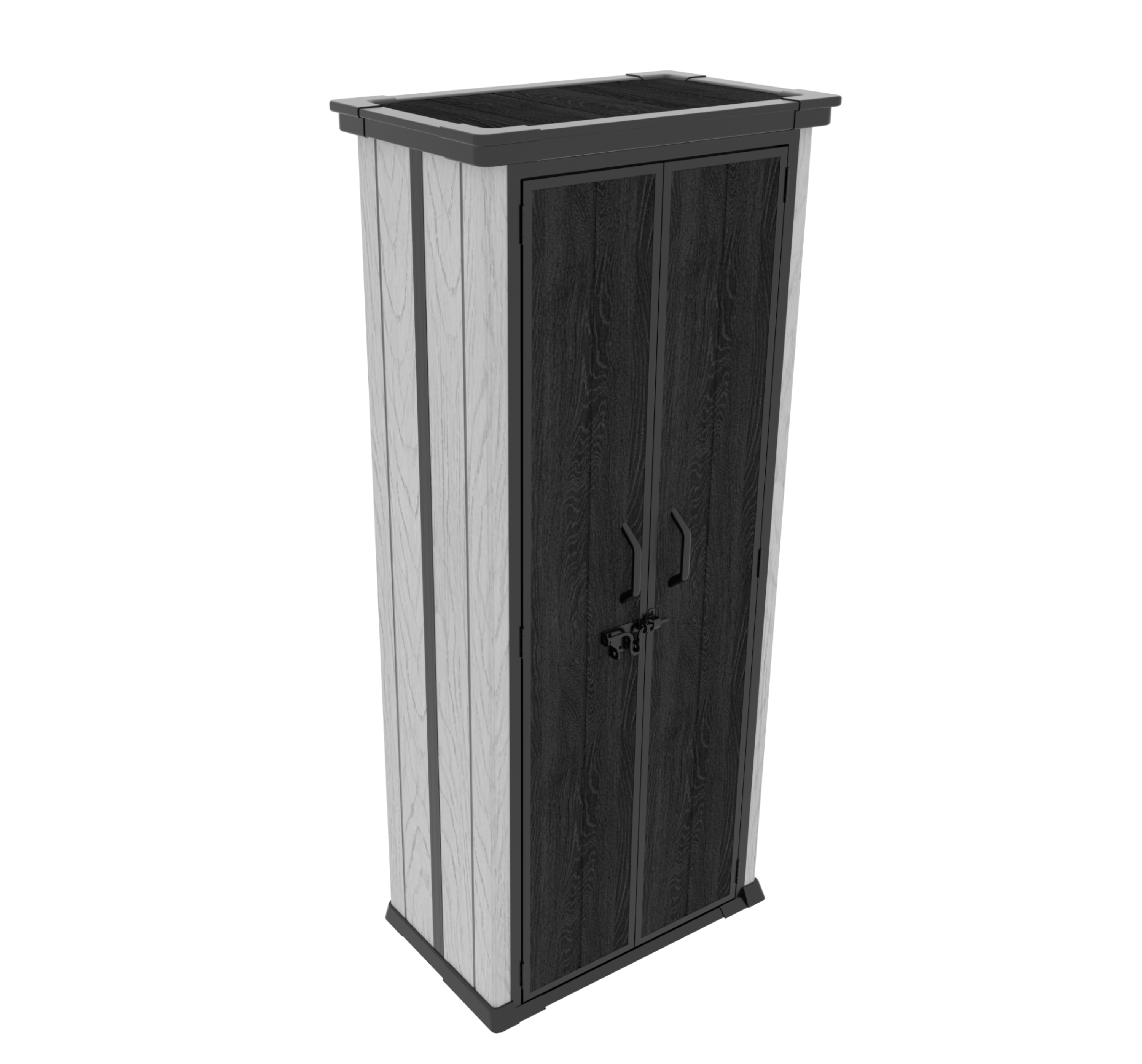
An outdoor storage cabinet provides a compact, highly efficient organizational footprint. These units typically feature a waist-to-shoulder height profile, a shallow depth, and front-opening double doors. They sit flush against exterior walls or fence lines without dominating the landscape. Manufacturers construct these cabinets from durable, weather-resistant materials. High-density polyethylene (HDPE) and resin are the most common, offering excellent UV resistance and moisture protection. You will also find models built from galvanized steel for enhanced security or treated wood for a more traditional aesthetic.
The primary advantage of a cabinet is immediate, organized access. You do not walk into a cabinet; you reach into it. This makes them perfect for specific, targeted storage needs around the exterior of the home. Ideal use cases include organizing pool skimmers, cleaning brushes, hoses, and other non-chemical pool accessories near the pool area. They excel at holding gardening hand tools, bags of potting soil, and watering cans near garden beds. Many homeowners utilize them on decks to store patio cushions, grilling accessories, and charcoal. Taller, specialized cabinets also serve as excellent trash can enclosures, keeping bins hidden from street view and protected from local wildlife. You can easily install wire racks or plastic shelving inside to separate small hardware from larger bags of fertilizer.
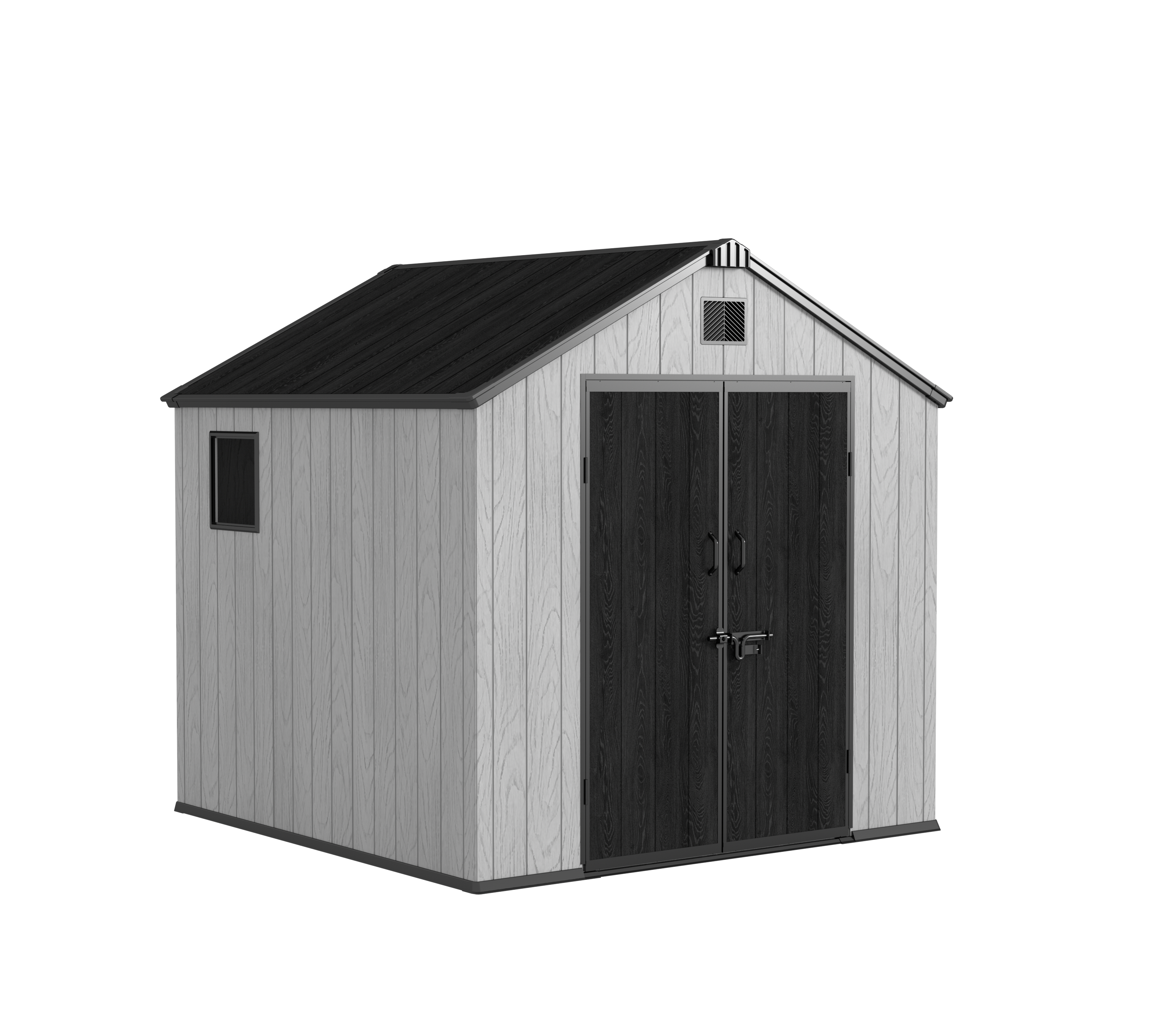
A outdoor storage shed represents a significant step up in scale, shifting the operational dynamic from a simple storage container to a dedicated utility building. Sheds feature a walk-in height, typically starting around six feet at the eaves, and utilize either a pitched or lean-to roof design. They occupy significant square footage in the yard and require dedicated site planning. When you install a shed, you erect an outbuilding that fundamentally changes how you interact with your outdoor space. You have to plan for door swing clearance, roof runoff, and proximity to property lines.
You must differentiate between the various setups available within the shed category. A basic storage shed often features a windowless design focused entirely on the security and protection of heavy equipment. These structures prioritize wide double doors and reinforced floors. Conversely, a garden shed integrates natural light through windows or skylights. They often include built-in potting benches, window boxes, and architectural details meant to complement the primary residence. Ideal use cases for sheds involve items that simply cannot fit into a cabinet. This includes riding lawn mowers, families with multiple bicycles, large power equipment like snowblowers and tillers, and bulky seasonal patio furniture. Sheds offer the unique ability to function as active workspaces, allowing you to repair tools or pot plants indoors during inclement weather.
Understanding the realistic breakdown of cubic footage helps you plan your yard layout. A large outdoor storage cabinet might offer between 20 to 50 cubic feet of internal space. This is highly efficient for its footprint but strictly limits the size of individual items you can store. In contrast, even a small-tier shed measuring 6x4 feet provides roughly 150 to 200 cubic feet of space. The shed allows for massive volumetric storage, but it demands a permanent, unobstructed footprint in your yard, complete with clearance space around the exterior for maintenance and airflow.
The concept of verticality dictates how you organize these spaces. Cabinets maximize small footprints through the use of built-in, adjustable shelves. You stack items vertically, ensuring every inch of the shallow depth is utilized efficiently. Sheds provide floor-based parking for heavy machinery. You can roll a heavy generator or mower directly onto the shed floor. Above that floor space, sheds allow for custom wall pegboards to hang string trimmers and leaf blowers. Many sheds also accommodate overhead loft storage in the roof trusses, perfect for stowing away lightweight, seasonal items like holiday decorations or empty planters.
The implementation risks and labor requirements differ drastically between these two options. Sheds demand rigorous site preparation. You cannot simply drop a shed onto the grass. The structure requires a perfectly level foundation to ensure the doors align and the frame does not warp over time. This involves site excavation and leveling. You must build a foundation using a poured concrete slab, a compacted crushed gravel pad with a timber border, or a heavy-duty treated wood frame resting on concrete deck blocks. Shed assembly usually requires more time and labor than cabinet assembly, particularly for larger models. Prefabricated resin and metal sheds typically use interlocking panels and structural connectors, while timber-framed sheds may require floor framing, wall assembly, and roof construction.
Cabinet assembly presents a stark contrast in simplicity. You can typically assemble a resin or metal cabinet in one to two hours using basic hand tools like a screwdriver and a rubber mallet. Because of their rigid, compact frames, cabinets do not require complex foundation work. Most outdoor storage cabinets can be installed on a stable, level surface such as a concrete patio, suitable decking, or a properly prepared and compacted gravel base. You simply snap the floor panel into place, lock the side walls into the base grooves, and attach the roof cap. This plug-and-play nature makes cabinets highly attractive for homeowners looking for an immediate weekend organizational win without heavy construction.
Regulatory risks can derail a backyard project quickly. Sheds frequently trigger local municipality permit requirements. Because shed rooflines often exceed six feet in height and their footprints cover significant square footage, local zoning boards classify them as permanent outbuildings. You may need to submit site plans, adhere to strict property line setbacks, and pay permit fees. Strict HOA architectural guidelines often dictate the exact size, placement, and exterior materials allowed for sheds in your neighborhood. Failure to comply results in stop-work orders or fines.
An outdoor storage cabinet is almost always the safest compliance choice for strict neighborhoods. Because cabinets maintain a low profile, they easily sit below standard six-foot privacy fence lines, rendering them invisible from the street. Outdoor storage cabinets are often easier to accommodate within residential properties because of their compact size and movable construction. However, local regulations and HOA guidelines may still control their height, appearance, placement, or anchoring. Checking these requirements before installation helps avoid unnecessary adjustments or compliance problems.
The visual impact of an outbuilding on your landscape is substantial. A shed becomes a prominent architectural feature in your yard. Modern and traditional shed styles can be heavily customized. You can match the exterior siding, paint colors, and roofing shingles to your primary home. A well-designed shed that complements the main house can enhance the landscape, improve curb appeal, and provide useful additional storage space that appeals to potential buyers. A custom-built cedar shed with matching trim looks like a natural extension of your property.
Cabinets serve a different aesthetic purpose. They prioritize blending in or remaining completely hidden. You can easily tuck a cabinet behind existing landscaping, position it alongside an HVAC condenser unit, or place it discreetly on a side yard. While a cabinet offers no permanent boost to property value—since you will likely take it with you when you move—it completely avoids the risk of aesthetic clashes. It provides necessary utility without demanding visual attention or disrupting your garden's design. Manufacturers offer neutral tones like taupe, gray, and dark brown specifically to help these units fade into the background.
Weather resistance varies heavily based on the materials you choose. Modern resin cabinets excel at handling moisture and constant UV exposure. They do not rot, rust, or require repainting. Wood sheds offer incredible strength but demand regular upkeep to prevent rot and termite damage. You have to caulk the seams and ensure the roof flashing is intact. Metal sheds provide excellent fire resistance and durability but are susceptible to rust if the galvanized coating is scratched, and they can suffer from internal condensation issues if not properly ventilated.
Security vulnerabilities dictate what you should store inside. Sheds offer robust security features. You can install heavy-duty deadbolts, reinforce the door hinges, and add security bars to the windows. This makes sheds suitable for high-value items like expensive power tools and motorized equipment. Cabinets rely on basic padlock hasps molded into the plastic or metal doors. While sufficient for keeping out curious children or opportunistic thieves, they are easier to pry open. Cabinets are much easier to conceal near the primary residence, benefiting from the home's exterior lighting and security cameras, while offering faster access for daily-use items.
Comparing baseline retail prices reveals a significant gap between these two solutions. Premium outdoor cabinets require a modest initial outlay, providing immediate, weather-resistant storage straight out of the box. Entry-level sheds demand a much higher baseline investment, but the retail price of the shed kit is only the beginning of the financial commitment. You have to look at the entire project scope to understand the true financial impact.
You must account for the hidden costs associated with erecting a shed. Foundation materials represent a major secondary expense. Purchasing cubic yards of crushed stone, renting a plate compactor, or hiring a contractor to pour a concrete slab adds substantially to the project total. Delivery fees for large shed kits or pre-built structures are often steep. You must factor in the cost of municipal permits. In some jurisdictions, adding a permanent outbuilding on a concrete slab can even trigger a property tax reassessment, marginally increasing your annual carrying costs.
Maintenance requirements scale with the size and material of the structure. Resin storage cabinets generally require minimal maintenance, including occasional cleaning with mild soap and water and inspection of hinges, locks, and drainage areas. Moving hardware can be lubricated when needed using a product suitable for the cabinet's materials. A wood shed requires a dedicated maintenance schedule. You must repaint or restain the siding every few years, replace damaged roof shingles, and monitor the base for rot or pest intrusion. Metal sheds require periodic checks for rust spots, which must be sanded and treated with rust-inhibiting paint.
Scalability is a critical factor in long-term value. If your storage needs grow incrementally, buying a second outdoor cabinet is a simple, cost-effective solution. You can place it wherever space allows without major disruption. The long-term versatility of a shed often justifies the heavier initial investment. A shed can offer greater flexibility as storage needs change. Models designed for additional interior fittings may accommodate shelving, workbenches, or hobby equipment, while more extensive conversions involving insulation or electrical installations require suitable structural features and compliance with applicable building requirements. Cabinets remain static in their utility.
Feature | Outdoor Storage Cabinet | Outdoor Storage Shed |
|---|---|---|
Footprint | Compact, shallow depth. Fits on patios and side yards. | Large, requires dedicated yard space and clearance. |
Installation | 1-2 hours. Basic hand tools. No foundation required. | Multi-day project. Requires leveled foundation (concrete/gravel). |
HOA & Permits | Rarely requires permits. Sits below fence lines. | Often requires zoning permits and strict HOA approval. |
Maintenance | Low. Occasional washing. | Moderate to High. Painting, roofing, pest control (if wood). |
Best For | Hand tools, pool supplies, patio cushions, immediate access. | Riding mowers, large equipment, bicycles, active workspaces. |
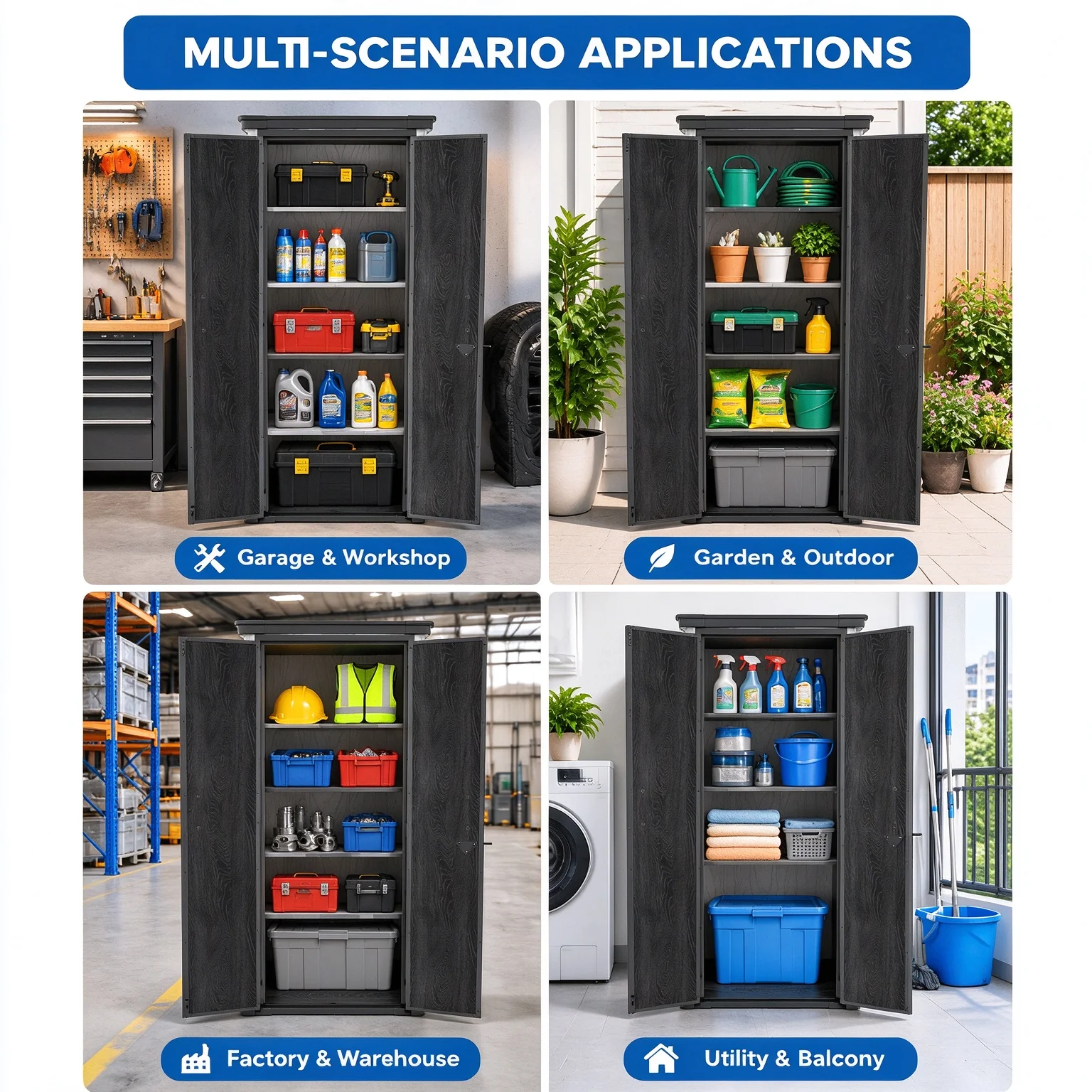
A cabinet is the superior choice when your living situation and storage requirements demand flexibility and a low profile. Review this checklist of success criteria to determine if a cabinet fits your needs:
Renter or Condo Owner: You need a solution that is classified as personal property, allowing you to easily pack it up and move it to your next residence.
Strict HOA Guidelines: Your neighborhood restricts outbuildings, enforces rigid line-of-sight rules, or prohibits structures visible above the fence line.
Small Item Storage: Your inventory consists primarily of items smaller than a standard push mower, such as hand trowels, potting soil, charcoal bags, and folding lawn chairs.
Spatial Constraints: Your available exterior space is limited to a concrete patio, a wooden deck, a balcony, or a narrow side-yard pathway.
Immediate Setup Priority: You need a functional organization system operational by this weekend without the hassle of pulling permits or scheduling concrete deliveries.
A shed becomes mandatory when your storage volume exceeds the physical limitations of a cabinet and you possess the property space to support a permanent structure. Consider a shed if you meet the following criteria:
Homeowner with Ample Yard Space: You have a dedicated, flat area in your backyard that can accommodate a large footprint without crowding your landscaping.
Motorized Vehicles and Large Equipment: You need to secure riding lawn mowers, ATVs, multiple adult bicycles, or heavy-duty snowblowers that require floor-level, roll-in access.
Need for a Dedicated Workspace: You want a covered area to repair equipment, build woodworking projects, or pot plants away from the elements.
Long-Term Property Enhancement: You desire to enhance your backyard aesthetics with a matching architectural structure that adds permanent utility value to your home.
High-Volume Storage: Your storage needs are extensive and require maximum cubic footage, utilizing floor space, wall pegboards, and overhead loft areas simultaneously.
The core trade-off between these two solutions comes down to scale, permanence, and accessibility. Choose an outdoor storage cabinet for immediate, low-friction organization in tight spaces. It provides excellent protection for daily-use items without the regulatory headaches or construction demands of a larger building. Conversely, choose a shed for high-capacity, walk-in storage. While a shed requires a permanent footprint, a leveled foundation, and a larger initial investment of time and resources, it offers unmatched long-term versatility and the ability to house heavy machinery.
To finalize your shortlisting logic, base your decision on the single largest item you need to store. If you own a riding mower or a large snowblower, a shed is non-negotiable. Next, review your local HOA rules; if outbuildings are banned, a cabinet is your only viable path. Finally, decide whether you simply need a container to hold items or an active workspace to perform tasks.
Before making a purchase, follow these next steps:
Measure your available footprint exactly, accounting for door swing clearance and roof overhangs.
Check your local zoning and HOA bylaws regarding outbuilding heights and property line setbacks.
Inventory your tools and equipment, grouping them by size and frequency of use.
Evaluate your ground surface to determine if you need to build a foundation or if you can use an existing patio.
A: While some horizontal, deep-set units known as stow-away sheds can accommodate a push mower with the handle folded down, standard vertical cabinets cannot. You will need a deeper footprint to house landscaping machinery properly.
A: Small, freestanding outdoor storage cabinets often require fewer approvals than permanent sheds. Permit and HOA requirements depend on the cabinet's dimensions, installation method, and local property rules. Always verify your local bylaws, but cabinets generally bypass strict zoning regulations.
A: Resin units are highly water-resistant and effectively protect contents from standard rain and snow. However, they are rarely completely waterproof or airtight. Extreme horizontal wind-driven rain or standing floodwaters can penetrate the seams and door gaps.
A: The primary difference lies in access and orientation. Storage boxes or deck boxes open from the top via a hinged lid, making them ideal for drop-in items like cushions. Cabinets open from the front using doors and utilize vertical shelving for organized, tiered storage.
A: Customization in cabinets is limited to fixed or proprietary adjustable shelving tracks provided by the manufacturer. Sheds feature exposed wooden studs or blank walls, allowing you to install highly customized pegboards, heavy-duty workbenches, and overhead loft storage.
A: Secure the cabinet using its designated anchoring points and suitable fixings for a stable wall or concrete base. Keep heavier items on lower shelves to improve stability, but use proper mechanical anchoring rather than relying on stored weight alone in high-wind locations.
A: A well-maintained shed can improve a property's appeal by providing useful storage space and complementing the home's exterior, although its contribution to resale value depends on local market conditions and the quality of the installation. A cabinet remains personal property that moves with the owner and does not impact home valuation.


