
Outdoor Storage
Views: 0 Author: Site Editor Publish Time: 2026-11-29 Origin: Site


Choosing weather resistant outdoor storage starts with checking the material's UV resistance, roof and lid drainage design, door seals, ventilation, and structural strength against local wind and snow loads. The right outdoor storage unit should also have a stable foundation and enough internal space to protect your equipment, patio cushions, or garden tools from prolonged weather exposure. The market is saturated with products claiming to be waterproof, but buyers frequently discover that poor ventilation leads to internal mold, or that cheap plastics warp and crack under seasonal stress. Selecting the right weather resistant outdoor storage requires moving past marketing claims and evaluating structural materials, seal integrity, wind and snow load capacities, and site preparation requirements. This guide provides a framework to match storage specifications to specific climate realities and real-world use cases. We will examine how to properly evaluate materials, engineer proper foundations, and secure units against extreme weather events to protect your investments year-round.
Material Dictates Lifespan: High-Density Polyethylene (HDPE) and galvanized steel offer superior weather resistance compared to untreated wood or standard PVC, but each requires specific maintenance and climate considerations.
Sealing vs. Ventilation: True weather resistance requires a balance; overlapping lids and gaskets keep rain out, but engineered ventilation is mandatory to prevent internal condensation and mildew.
Foundation is Non-Negotiable: For larger outdoor storage units, weather resistance is compromised if the foundation allows ground moisture to seep in or causes the frame to twist, breaking door seals.
Security and Structural Integrity: Extreme weather requires reinforced hinges, tie-down points, and lockable hasps that won't rust or snap under high wind loads.
Table of Contents
Buyers often conflate the terms waterproof and weather-resistant. Waterproof describes protection against water ingress under specified conditions, but it does not automatically mean a storage unit is airtight or suitable for submersion. Weather-resistant outdoor storage is designed to withstand rain, wind, sunlight, and temperature changes through suitable materials, drainage, seals, and ventilation features. Understanding this distinction prevents catastrophic damage to stored goods.
A completely airtight box creates a severe condensation trap. When the sun heats a sealed plastic or metal container, the internal air expands and absorbs moisture. As temperatures drop overnight, the trapped humid air hits the dew point. Condensation forms on the interior walls and drips onto your belongings. Without airflow, this trapped moisture ruins fabrics, rusts expensive power tools, and promotes rapid mold growth. You do not want a hermetically sealed vault for your garden cushions or mechanical equipment.
A successful unit features active water shedding mechanisms. Look for sloped roofs that prevent pooling and overlapping lips that direct runoff away from internal seams. UV stability is equally necessary to prevent the exterior shell from becoming brittle and shattering after a single summer. Passive ventilation systems, such as louvered vents with insect screens, are mandatory to manage internal humidity and equalize temperatures across different seasons.
HDPE stands out as a premier material for resisting moisture, rot, and insect damage. Manufacturers often utilize multi-wall resin panels to provide necessary structural rigidity. This dual-wall construction creates an air pocket that acts as a slight thermal barrier, reducing extreme temperature fluctuations inside the unit. Well-designed, blow-molded double-wall panels can improve impact resistance and panel rigidity compared with lightweight, thin single-wall constructions.
For HDPE to survive outdoors, it must include factory-integrated UV inhibitors like carbon black or titanium dioxide. Without these chemical stabilizers, direct sunlight causes the plastic to undergo photodegradation. The material will fade, develop a chalky surface residue, and eventually crack under minor impacts. Always verify the presence of UV protection before purchasing any resin-based structure.
The primary trade-off with resin is its weight. HDPE structures are relatively lightweight, making them highly susceptible to shifting or tipping in high-wind zones. You must anchor them securely to a solid base. Resin surfaces resist adhesion, meaning you cannot easily paint or customize the exterior to match your home, and repairs to cracked panels are notoriously difficult.
Metal storage structures provide noncombustible wall panels, resistance to insect damage, and strong security potential when equipped with reinforced doors, suitable locks, and durable framing. They are the ideal choice for housing heavy machinery, riding mowers, or high-value tool collections. Steel frames provide exceptional rigidity against heavy snow loads and high winds, provided they are assembled with the correct structural fasteners.
Corrosion resistance dictates the lifespan of metal storage. Bare steel rusts rapidly. You must select units featuring hot-dipped galvanization, where the steel is coated in a protective layer of zinc. Look for a G90 zinc coating designation for superior longevity. A secondary powder-coated finish provides an additional barrier against moisture and salt. In humid or coastal environments, galvanized steel with a suitable protective finish provides valuable corrosion resistance, particularly when exposed edges, fasteners, and joints are also protected against salt and moisture.
The main implementation risk with metal is thermal conductivity. Steel conducts heat and cold rapidly. This rapid temperature transfer drastically increases the risk of severe internal condensation. If you store sensitive equipment in a metal shed, you must install robust active ventilation or apply internal closed-cell spray foam insulation to mitigate moisture buildup on the ceiling panels.
Wood provides traditional aesthetics and significant structural weight. This mass makes timber sheds inherently excellent for wind resistance. Wood allows for extensive customization; you can install asphalt shingles, add custom shelving directly to the studs, and paint the exterior to match your primary residence. Engineered timber panels, like LP SmartSide, offer enhanced resistance to fungal decay and termites compared to standard plywood.
This aesthetic appeal comes with a heavy maintenance burden. Wood requires ongoing upkeep to maintain its weather resistance. You must reapply exterior stains or water-repellent sealants every few years. Roofing materials require periodic inspection and replacement to prevent leaks from rotting the underlying trusses. You must also ensure the roof features a proper drip edge to direct water away from the fascia boards.
Wood is highly vulnerable to ground moisture and termite damage. You cannot place a wooden structure directly on soil or grass. It must be elevated on a proper foundation with adequate drainage to prevent the bottom plates from wicking moisture and rotting from the ground up. Always use pressure-treated lumber rated for ground contact (UC4A or higher) for the floor joists and skids.
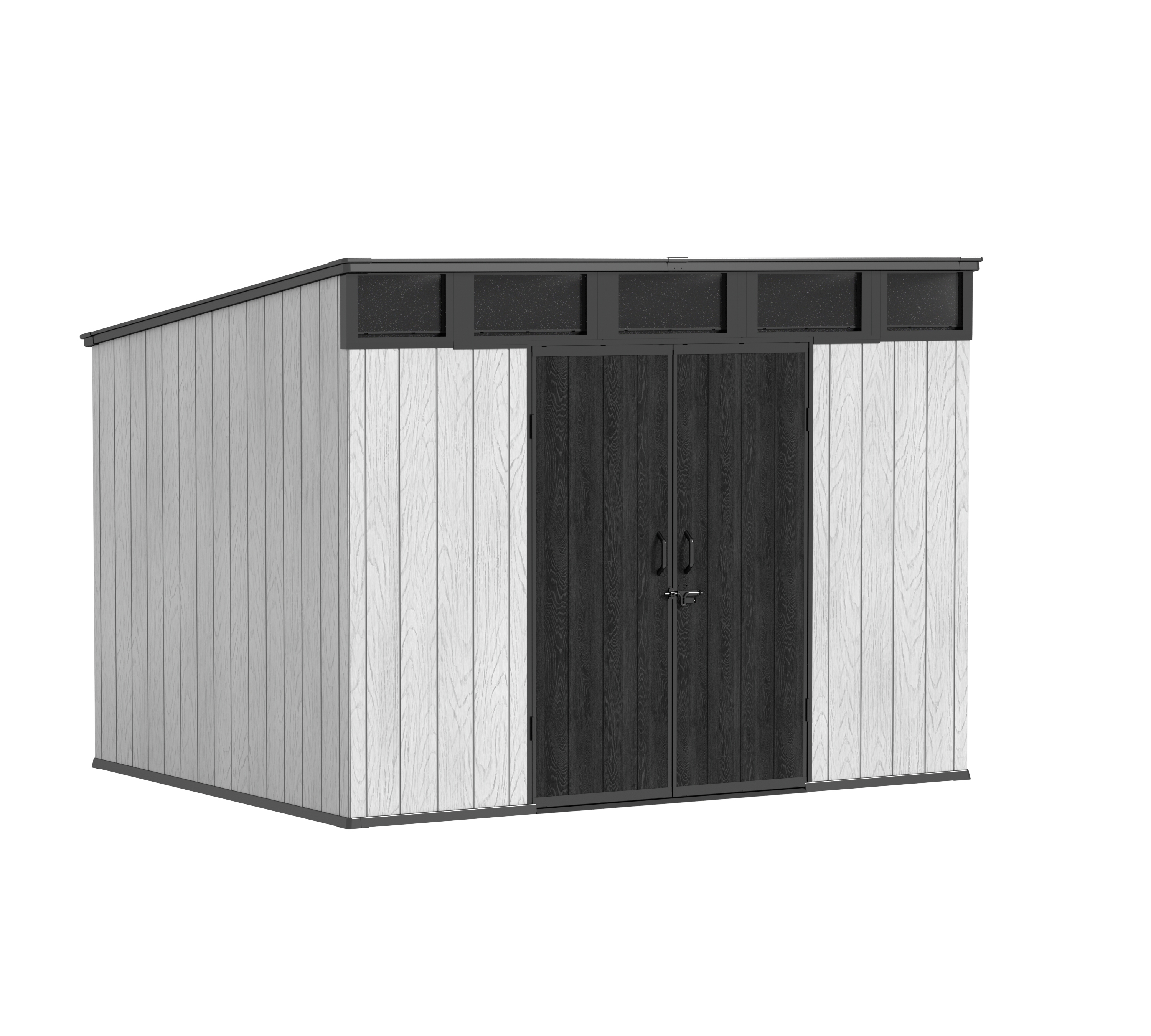
Structural design dictates how effectively a unit handles precipitation. On deck boxes, look for overlapping lids that extend past the side walls. This overhang acts like the eaves of a house, directing rainwater straight to the ground rather than allowing it to run down the seams. For larger sheds, a steep roof pitch is essential to shed heavy rain and prevent snow accumulation. In snowy climates, roof pitch, roofing materials, and structural snow-load ratings should work together to manage snow accumulation and protect the roof against excessive loading.
Evaluate the presence of rubberized gaskets and weatherstripping. High-quality units feature thick EPDM rubber seals around doors and lids. These gaskets compress when closed, forming a physical barrier that blocks wind-driven rain and fine powder snow from infiltrating the interior. Avoid units that use cheap open-cell foam tape, as it degrades quickly and absorbs water like a sponge.
The style of door heavily impacts overall weather resistance. Hinged doors generally offer superior protection. Look for doors equipped with overlapping astragals. An astragal is the vertical molding that covers the clearance gap between double doors. This feature is critical for stopping wind-driven rain from penetrating the front of the shed.
Sliding doors present significant vulnerabilities. They are prone to jumping their tracks during high winds or heavy use. Sliding mechanisms often lack tight bottom seals, leaving a gap for water, dirt, and pests to enter. Roll-up doors on larger units require specialized brush weatherstripping along the sides and a heavy rubber sweep along the bottom to prevent moisture intrusion across the threshold.
For regions experiencing extreme winters, you must evaluate the manufacturer's specified roof snow load capacity. This metric is measured in pounds per square foot (PSF). Roof snow-load ratings vary with the shed's structural design, reinforcement, roof geometry, and tested capacity. Compare each product's stated PSF rating with the roof snow-load requirements for the installation location. Ignoring this rating leads to collapsed roofs during heavy winter storms. If you live in a heavy snow zone, look for units with supplemental steel roof trusses.
Wind resistance requires specific structural reinforcements. Look for steel-reinforced roof trusses and double-thick wall panels. In hurricane-prone or high-wind areas, the unit must include or be compatible with heavy-duty tie-down kits. These kits anchor the roof and walls directly to the concrete foundation using steel cables or brackets, preventing the structure from lifting off its base during severe gales.
Weather resistance extends to the hardware. Hinges, latches, and lock hasps must be manufactured from stainless steel or heavy-duty powder-coated metal. Grade 304 or 316 stainless steel offers the best protection against rust. Standard zinc-plated hardware will rust and seize after a single season of rain and humidity, rendering the doors inoperable.
Padlock-ready designs are standard, but you must evaluate the surrounding material. A heavy-duty padlock is useless if the plastic hasp it attaches to can be easily shattered with a hammer in freezing temperatures. Look for metal-reinforced locking points that integrate directly into the steel frame of the doors. Carriage bolts with smooth exterior heads prevent thieves from simply unscrewing the hinges from the outside.
Deck boxes offer low-profile solutions ideal for patios, balconies, and pool decks. They excel at storing seat cushions, non-chemical pool cleaning accessories, and grilling tools. When evaluating these units, check for dual-purpose weight capacities. If the deck box is intended for seating, check its specified lid load capacity and reinforced construction to confirm it can safely support the intended users.
For deck boxes with heavy lids, gas struts, lid stays, or controlled-closing hinges improve safety by supporting the lid and reducing the risk of sudden closure. These gas struts hold the lid open while you load items and prevent heavy lids from slamming shut on fingers during sudden wind gusts. For apartment balconies, verify the loaded weight does not exceed structural limits. Ensure the overall height remains below balcony railings to comply with strict HOA sightline rules.
Vertical sheds feature tall, narrow footprints designed to maximize vertical space without consuming valuable ground area. They are perfect for storing long-handled garden tools, trash cans, or patio heaters. Because these units hold heavy, awkward items, they require reinforced flooring to handle the impact of dropped shovels or heavy bags of soil.
Adjustable shelving is a common requirement for vertical lockers. Ensure the shelving system mounts to internal steel supports rather than screwing directly into the exterior plastic walls. Puncturing the exterior shell compromises the weatherproofing and creates entry points for water. Anchor tall vertical sheds at their designated fixing points to a structurally sound wall or suitable base to reduce tipping risks, particularly when storing heavy equipment.
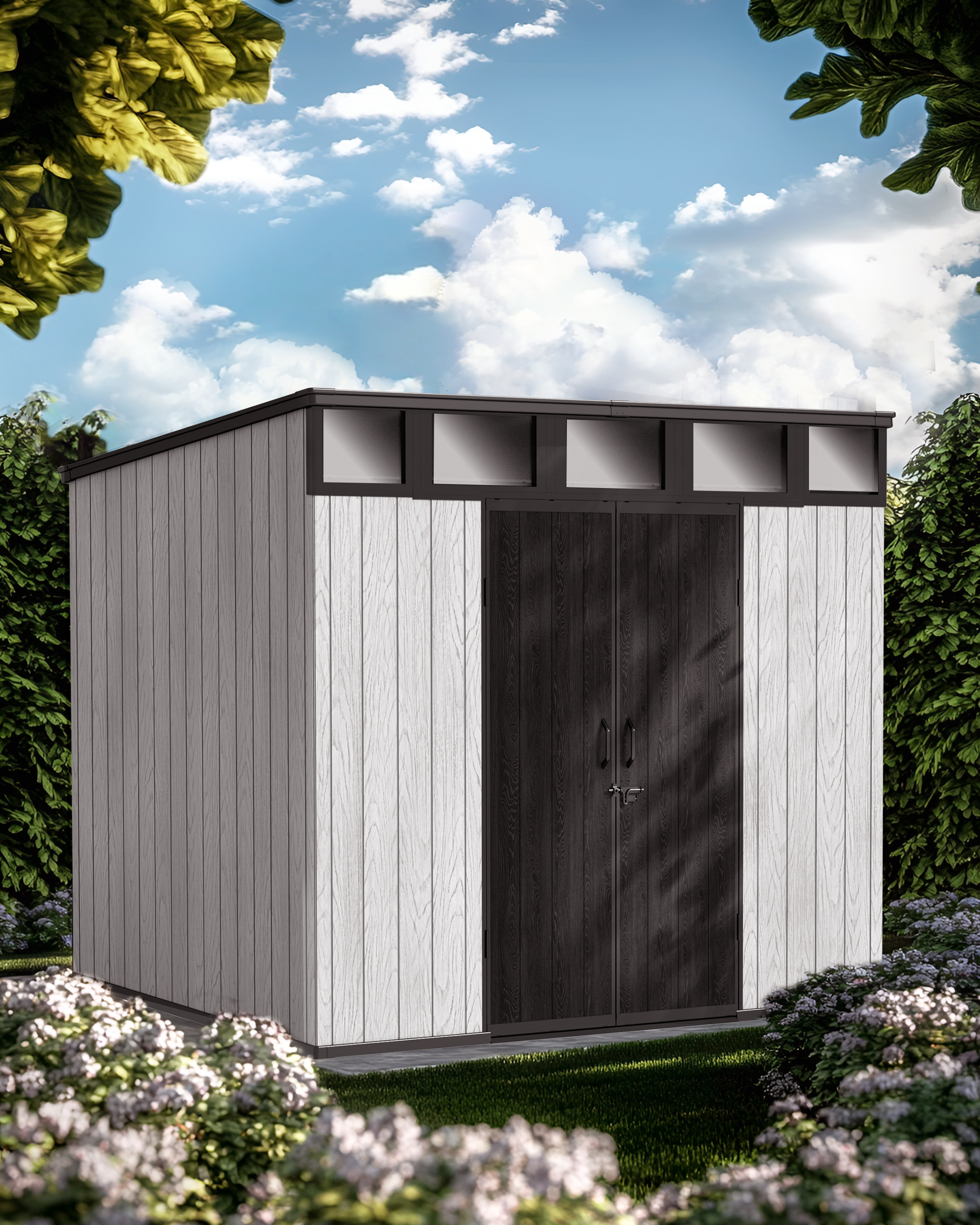
Walk-in sheds provide high-capacity outdoor storage for riding mowers, bicycles, or bulk inventory. Evaluate these units for double-door access to accommodate wide equipment. Check for ramp compatibility; a reinforced threshold is necessary to support the weight of heavy machinery rolling in and out without cracking the floor panel.
If utilizing shipping containers for extreme weather storage, aftermarket modifications are required. Bare Corten steel containers suffer from severe ceiling condensation, known as container rain. Control container condensation through suitable insulation, ventilation, and moisture management, with particular attention to the interior roof surface. In snowy locations, verify the container roof's structural capacity and consider an additional roof system where necessary to manage snow loads. Reinforced lock boxes can protect padlocks against tampering, while corrosion-resistant hardware and protective finishes help maintain reliable operation.
Placing weather-resistant storage directly on soil guarantees failure. Ground moisture will wick into the floor panels, causing rot in wood and warping in plastics. Bare soil settles unevenly. If the ground shifts, the entire structure twists out of square. When a shed is not perfectly square, the doors will not align, and the weather seals will fail to compress, allowing rain to pour inside.
You must construct a proper foundation. For smaller units, a compacted gravel bed provides excellent drainage and a level surface. Follow these steps to build a reliable gravel foundation:
Remove vegetation and unsuitable topsoil to prepare a stable subgrade, allowing sufficient depth for the required aggregate base.
Install geotextile separation fabric where needed to prevent the subgrade from mixing with the aggregate.
Set out a foundation perimeter that provides adequate support for the selected storage unit.
Place suitable compactable crushed aggregate in layers, following the required base thickness and drainage design.
Compact and level the aggregate to create a stable foundation, then check that the finished surface meets the shed's support and anchoring requirements.
For larger walk-in sheds, a poured concrete pad or a raised treated-wood platform is required to ensure long-term stability and keep the unit perfectly square over decades of use.
Improper assembly instantly compromises weather resistance. Missed screws, misaligned panels, or rushed construction create permanent gaps for water and pests. Assembly must occur on a calm, dry day. If you attempt to assemble large resin panels in high winds, they can snap or bend before being secured to the frame.
Follow torque specifications meticulously. When driving screws into resin panels, use a manual screwdriver or set your power drill to the lowest clutch setting. Overtightening strips the plastic threads, resulting in loose panels that rattle and leak in the wind. Apply the recommended sealant or butyl tape to designated floor seams and roof joints where specified, ensuring proper adhesion and weather sealing without blocking designed drainage paths.
Evaluating the true value of storage requires looking past the initial purchase. Lightweight single-wall plastic boxes with inadequate UV protection are more vulnerable to fading, brittleness, and deformation during prolonged outdoor exposure. Buyers must factor in the foundation materials, delivery logistics for large sheds, and aftermarket tie-down kits required for safety.
Look past marketing jargon by analyzing long-term user reviews. Ignore reviews posted on the day of purchase. Search specifically for patterns of UV fading, warped roof panels, or failed door seals after one to two years of real-world exposure. Consistent complaints about water pooling on the roof or doors popping open in the wind indicate fundamental design flaws.
Use the following framework to align your material choice with your longevity expectations:
Category | Material & Construction | Ideal Use Case | Expected Longevity |
|---|---|---|---|
Short-Term | Single-wall resin, basic snap-together joints. | Moderate climates, heavily shaded areas, storing non-sensitive items. | 2 to 5 years before UV degradation or warping occurs. |
Long-Term | Double-wall HDPE, steel-reinforced trusses, rubber gaskets. | All-weather exposure, storing power tools, low maintenance needs. | 10 to 15 years with proper foundation and anchoring. |
Lifetime | Custom-built treated wood or hot-dipped galvanized steel. | Extreme weather zones, high-security requirements, heavy machinery. | 20+ years (requires routine maintenance for wood). |
Measure your intended footprint and size the unit 15-20% larger than your current needs to accommodate future equipment purchases.
Check local municipal zoning regulations regarding maximum shed heights and setback requirements before ordering materials.
Determine and construct your foundation type, whether a concrete pad, compacted gravel, or wood platform, before the storage unit is delivered.
Purchase and install heavy-duty ground anchors immediately upon assembly to secure the structure against unexpected high winds.
A: Waterproof means a product is designed to prevent water ingress under specified exposure conditions; it does not automatically indicate an airtight or submersible construction. Weather-resistant means the structure is engineered to shed rain and block wind while allowing passive airflow. Weather-resistant designs are preferred for outdoor storage because they prevent internal condensation from destroying your belongings.
A: Mold requires moisture and stagnant air. To prevent it, ensure your storage unit has built-in ventilation to promote airflow. Avoid storing damp items like wet pool towels or unwashed garden cushions. You can also place commercial moisture absorbers or silica gel packets inside to control excess humidity.
A: Resin (HDPE) is generally better for low-maintenance weather resistance, as it will not rot, rust, or attract termites. Wood offers superior wind resistance due to its weight and provides better aesthetics, but it requires regular staining, sealing, and roof maintenance to prevent moisture damage over time.
A: Yes. Placing a shed directly on soil causes uneven settling, which twists the frame and breaks the door seals, allowing water inside. Ground moisture will also warp the floor. You must build a level foundation using compacted gravel, a concrete pad, or a treated wood frame.
A: You must anchor the unit to the ground. For concrete foundations, use suitable anchors connected to the shed's designated structural fixing points. For compatible ground installations, properly rated ground anchors and tie-down straps can provide wind resistance when connected to reinforced structural members according to the product's anchoring design.
A: UV-protected means chemical inhibitors were mixed into the plastic resin during manufacturing. These inhibitors absorb or reflect ultraviolet radiation from the sun. Without UV protection, plastic storage units will quickly fade, become brittle, and shatter or crack under normal seasonal temperature changes.


