
Outdoor Storage
Views: 0 Author: Site Editor Publish Time: 2026-11-28 Origin: Site


Effective plastic outdoor storage maintenance includes regular surface cleaning, inspection of panels and fasteners, checking door seals and hinges, clearing ventilation openings, and preparing for seasonal weather. These simple tasks help plastic outdoor storage sheds, cabinets, and deck boxes resist avoidable damage from dirt, moisture, thermal movement, and prolonged outdoor exposure. Protecting your investment requires a proactive, systematic approach. This guide provides an evidence-based plastic outdoor storage maintenance protocol to prevent premature wear, mitigate structural risks, and extend the functional lifespan of your storage units. We will cover exact inspection routines, safe cleaning agents, and seasonal preparation steps. You will learn how to handle foundation settling, manage internal condensation, and lubricate friction points without degrading the resin. Implementing these procedures ensures your equipment remains dry, secure, and fully protected from the elements year-round.
Routine Inspection is Non-Negotiable: Quarterly structural checks, regular internal audits, and hardware lubrication prevent minor misalignments from causing permanent plastic warping.
Chemical Compatibility Matters: Using the wrong cleaning agents, oil-based lubricants, or spilling stored chemicals can degrade resin surfaces and weaken structural integrity.
Moisture and Ventilation Control: Proper airflow management and pre-storage equipment drying are critical to preventing mold, mildew, and rust on stored items and internal hardware.
Seasonal Adaptability: Maintenance requirements shift dramatically between summer UV exposure and winter snow loads; preparation must be proactive.
Table of Contents
Manufacturers frequently highlight the resilience of HDPE and polycarbonate resins. These materials resist rot, repel wood-boring insects, and do not rust like galvanized steel. However, low maintenance does not equal zero maintenance. Environmental stressors continuously act upon the structural integrity of the unit. Thermal expansion and contraction occur daily as the sun heats the panels and nightfall cools them. Over time, this constant shifting stresses interlocking seams, metal fasteners, and door hinges.
Establishing baseline success criteria for maintenance involves three primary goals. First, you must preserve structural integrity by ensuring wall panels remain locked into the floor track and load-bearing roof components do not sag. Second, you must maintain weather resistance by keeping rubber seals intact and preventing water ingress at the skylights or joints. Third, you must prevent aesthetic degradation by mitigating surface fading, chalking, and staining caused by environmental exposure and organic debris.
Understanding what breaks down polymer structures allows you to implement preventative measures effectively. The most aggressive environmental factor is UV radiation. Prolonged sunlight exposure triggers photo-oxidation in untreated plastics. This chemical process breaks the polymer chains at a molecular level. The visible results include brittleness, surface chalking, and severe color fading. While modern sheds include factory UV inhibitors, these protective compounds degrade over several years of direct sun exposure.
Thermal cycling presents another significant physical risk. Rapid heating during the day and rapid cooling at night cause plastic panels to expand and contract constantly. This movement leads to warping, panel separation, and the loosening of metal fasteners anchored directly into plastic threads. Finally, moisture and microclimates pose severe internal threats. Sealed plastic environments easily trap condensation. Storing wet items exacerbates this issue, creating a humid microclimate that breeds mold, degrades stored cardboard or fabric, and corrodes internal metal hardware.
Watch for these early warning signs of polymer degradation:
A powdery white residue forming on the exterior walls facing south or west.
Hairline stress fractures appearing around the metal hinge anchor points.
Roof panels that feel noticeably softer or more flexible during peak afternoon heat.
Doors that bind at the top or bottom latch, indicating structural twisting.
Condensation droplets forming on the interior ceiling during early morning hours.
Consistent surface cleaning prevents long-term staining and material breakdown. Use a standard cleaning procedure involving mild, non-abrasive surfactants. A mixture of one-quarter cup of liquid dish soap per gallon of warm water applied with a soft-bristle brush effectively removes surface dirt without scratching the resin. Avoid high-pressure power washers entirely. High-velocity water jets force moisture through interlocking panel seams, compromise weather seals, and permanently damage the textured surface of the plastic.
Managing organic debris is equally necessary. Leaves, pine needles, and small branches accumulate on roofs and around the base perimeter. This debris traps moisture against the plastic, adds unnecessary weight to the roof panels, and releases tannins that cause deep, stubborn brown stains. Clear the roof and perimeter monthly. For units not accessed daily, schedule regular internal visits. Sweep out dirt, check for early signs of water ingress along the floor seams, and look for evidence of pest intrusion.
Follow this monthly cleaning sequence:
Sweep the roof clear of all loose leaves and branches using a standard push broom.
Rinse the exterior walls with a standard garden hose set to a gentle shower spray.
Scrub heavily soiled areas around the base with the soap mixture and a soft brush.
Rinse thoroughly from the top down to prevent dirty water from drying on the lower panels.
Sweep the interior floor and inspect the bottom corners for dampness.
Structural shifting happens gradually. Quarterly inspections catch minor misalignments before they cause permanent plastic warping. Start by checking panel alignment. Look for gaps where wall panels meet the floor track or roof truss. Uneven gaps often indicate foundation settling. A compromised foundation causes the entire structure to twist out of square, leading to sticking doors and separated wall joints.
Inspect all steel reinforcements, roof trusses, and floor panels. Pay special attention to the roofline. Sagging indicates either excessive top-loading from snow and debris or failing internal metal supports. Check all metal fasteners, screws, and bolts. Thermal cycling frequently loosens these connections. Tighten loose fasteners carefully using manual hand tools. Overtightening with power drills easily strips the plastic threading, permanently ruining the anchor point and requiring oversized replacement screws.
Watertight integrity relies heavily on the condition of flexible seals. Twice a year, inspect all rubber gaskets, weather stripping, and silicone caulking around windows, skylights, and door frames. Look for cracking, shrinking, or peeling. Dirt buildup on rubber gaskets prevents a tight seal, so clean them thoroughly with a damp microfiber cloth.
Determine whether seals require replacement or just maintenance. If the weather stripping remains pliable and intact, cleaning is sufficient. If the rubber feels brittle, crumbles upon touch, or has visibly shrunk away from the window frame, remove and replace it immediately. Use a plastic putty knife to scrape away old adhesive to avoid gouging the resin frame.
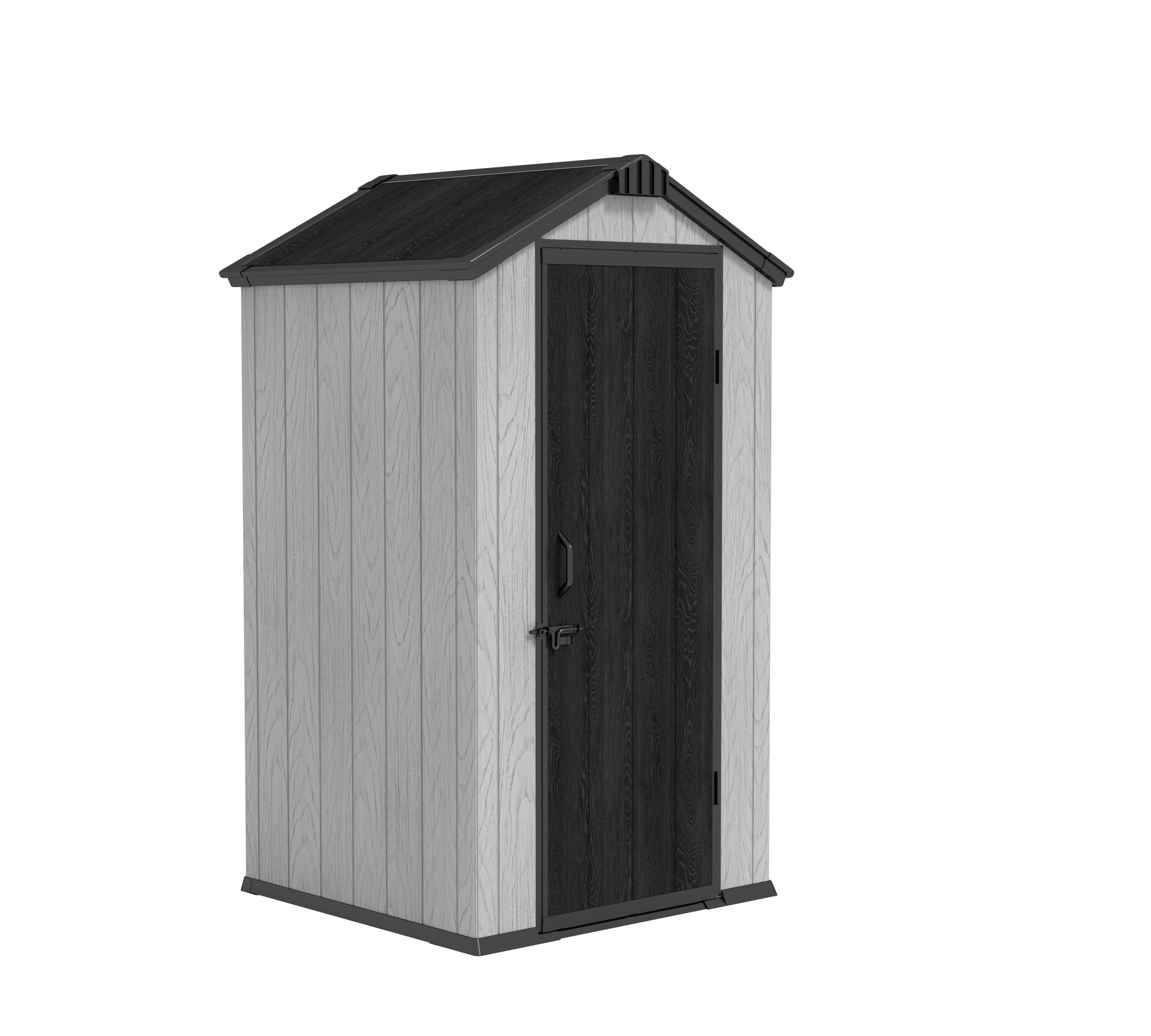
The long-term health of any plastic outdoor storage unit depends entirely on a level, solid foundation. If the base shifts even half an inch, the rigid plastic panels will bind, warp, or crack under the uneven stress. Check the perimeter for pooling water after heavy rain. Poor drainage undermines the gravel or concrete foundation and pushes standing water against the floor seams.
Assess the internal floor panels for stress fractures, particularly in high-traffic areas or under heavy equipment. Protect the internal floor proactively. Place heavy-duty rubber mats under riding mowers, portable generators, or metal shelving units to distribute weight and prevent the plastic from gouging. Immediately clean up any spills involving gasoline, motor oil, solvents, or liquid fertilizers. Spilled fuels, oils, solvents, and fertilizers should be removed promptly to prevent staining, slippery surfaces, and potential damage to seals, coatings, or plastic components that are not compatible with the chemicals involved.
Doors are the most frequently used moving parts and bear the brunt of operational wear. Analyze the friction points where metal hinges meet plastic frames or where plastic doors slide along floor tracks. Proper lubrication prevents binding and reduces the mechanical stress placed on the anchoring screws during operation.
Choose your lubricants carefully. Use PTFE (Teflon) or silicone-based dry lubricants for all hinges, latches, and sliding tracks. These dry sprays leave a slippery film that does not attract dust or dirt. For exposed plastic sliding surfaces, choose a plastic-compatible dry PTFE or silicone lubricant that does not readily attract dust. Avoid applying heavy oils or grease indiscriminately, as accumulated dirt can increase friction and wear around hinges, latches, and tracks. If doors have shifted and no longer close properly due to thermal expansion, adjust the hinge shims or realign the base rather than forcing the doors shut. Forcing a misaligned door will snap the plastic latch mechanisms.
Proper airflow prevents the greenhouse effect inside sealed plastic units. Assess the functionality of built-in passive vents, typically located at the upper gables or along the roof soffits. These vents allow hot air to escape and reduce internal condensation during temperature swings.
Clear the insect screens behind the vents using a soft brush or a can of compressed air. Dust, spider webs, and pollen quickly clog these fine meshes, completely obstructing airflow. In high-humidity climates, passive ventilation may not be enough to protect sensitive equipment. Integrate commercial desiccants, moisture-absorbing buckets, or active solar-powered exhaust fans to keep the interior dry and protect stored hand tools from rapid oxidation.
Cold weather introduces specific physical vulnerabilities. Resin roofs are engineered to hold specific snow loads, but exceeding these limits causes permanent sagging or structural collapse. Manage snow accumulation proactively. Remove excessive snow using a lightweight, non-abrasive roof rake designed for the roof material, working from the ground whenever possible. Avoid standing on the roof or using sharp metal tools that can crack, scratch, or puncture cold resin panels.
Sub-zero temperatures significantly increase polymer brittleness. Handle doors, latches, and handles with extreme care during freezing weather to avoid snapping the plastic components. Before the first hard freeze, audit your stored items. Drain and remove any liquids that could freeze, expand, and rupture. Leftover latex paint, liquid fertilizers, or water left inside power washer pumps will burst their containers, causing severe chemical spills inside the unit.
The condition of the items you store directly impacts the internal environment of the shed. Clean and thoroughly dry all garden tools, including pruners, shovels, and plastic planting pots, before closing the unit for the season. Introducing damp soil or wet metal creates a localized high-humidity zone that promotes mold growth on the walls.
Prepare gas-powered equipment meticulously. Prepare gasoline-powered equipment for storage according to its engine and fuel-system requirements, including the specified fuel-draining or fuel-stabilization procedure. Check for leaks, remove dirt and moisture, and allow hot equipment to cool before placing it inside the storage unit. Empty all garden hoses completely and coil them loosely. Leaving residual water or fuel in stored equipment leads to internal moisture buildup, toxic chemical off-gassing, and rust transfer that permanently stains the plastic floor panels.
Intense summer heat and direct sunlight accelerate polymer degradation. Mitigate UV damage by applying aftermarket UV-protectant sprays designed specifically for outdoor plastics, automotive trims, or marine environments. Compatible UV-protective products can help reduce surface fading and weathering by providing additional protection against sunlight. Apply them only to clean, dry surfaces when the storage product's finish and maintenance instructions permit their use.
Manage internal heat buildup through strategic placement and ventilation. If possible, position the unit under the natural shade of large trees or alongside a taller building to block the harsh afternoon sun. Ambient heat inside a poorly ventilated plastic shed easily exceeds 130 degrees Fahrenheit. This extreme temperature is hot enough to warp thin plastic shelving, melt stored wax candles, and degrade the plasticizer in flexible rubber hoses.
While rodents cannot eat plastic for sustenance, they readily chew through thin resin corners or rubber weather stripping to access warm shelter. Identify common vulnerabilities, including chewed lower corners, compromised vent screens, and gaps where the floor meets the foundation pad.
Inspect the exterior perimeter monthly for chew marks, grease trails, or burrowing holes in the dirt.
Seal rodent entry points using corrosion-resistant metal mesh or other suitable pest-resistant materials, taking care not to block designed drainage openings.
Secure the repair with fasteners or sealing materials compatible with the surrounding plastic structure.
Replace damaged vent screens with properly fitted insect- or rodent-resistant mesh that maintains the required ventilation opening.
Store all grass seed, birdseed, and organic fertilizers in heavy-duty, airtight metal containers to eliminate olfactory attractants.
Keep the perimeter clear of tall grass and stacked firewood, which provide cover for rodents attempting to breach the base.

Using the correct chemical agents preserves the factory finish and structural integrity of the resin. Approved cleaning solutions include mild dish detergents, specialized marine resin cleaners, and simple white vinegar solutions for treating localized mildew spots. These options break down dirt and organic matter without etching the smooth surface of the panels.
Explicitly avoid harsh chemicals. Acetone, bleach, ammonia, and industrial degreasers strip the factory UV coatings and chemically burn the plastic, leaving a dull, porous finish. Never use abrasive scouring powders or stiff wire brushes. These tools create microscopic scratches across the surface. These scratches trap dirt, encourage algae growth, and ruin the aesthetic finish permanently.
Selecting the right maintenance compounds prevents secondary damage to the plastic panels. Using the wrong caulk results in peeling, while the wrong lubricant degrades the hinges. The table below outlines the appropriate products for routine upkeep.
Product Category | Recommended Options | Products to Avoid | Primary Application |
|---|---|---|---|
Lubricants | PTFE (Teflon) spray, Dry silicone spray | Petroleum-based oils, WD-40, Heavy grease | Door hinges, latches, sliding tracks |
Sealants | 100% Silicone caulk, Polyurethane sealants | Acrylic latex caulk, Plumber's putty | Window frames, skylights, floor seams |
Cleaners | Dish soap, White vinegar, Marine plastic cleaner | Bleach, Ammonia, Acetone, Abrasive powders | Wall panels, floors, roof exteriors |
Protectants | Marine-grade UV sprays, Automotive plastic restorers | Standard wax, Oil-based polishes | Exterior walls facing direct sunlight |
When repairing seals around windows or skylights, use the replacement gasket or sealant specified for the product's panel material and joint design. HDPE has low surface energy, making reliable adhesion difficult for many conventional caulks, including some silicone products. Preserve the original drainage and ventilation paths when resealing joints. Silicone maintains its flexibility and adhesion regardless of extreme temperature fluctuations.
Consistent, targeted maintenance is the only verifiable way to ensure plastic outdoor storage achieves its maximum projected lifespan and protects the assets inside. While these structures resist rot and rust, they remain highly vulnerable to UV degradation, thermal shifting, and chemical damage from stored liquids. By executing a systematic upkeep routine, you mitigate these environmental risks effectively and prevent minor issues from escalating into structural failures.
When building your maintenance kit, prioritize non-abrasive cleaners, silicone-based dry lubricants, and UV-blocking protectants specifically formulated for polymers. Avoid petroleum products and harsh solvents entirely. To maintain structural integrity, always ensure the foundation remains perfectly level and perimeter drainage remains clear.
Take the following actionable steps today:
Measure the diagonals of your storage unit's foundation to verify it remains perfectly square and level.
Inspect all rubber gaskets and silicone seals around windows and doors, replacing any brittle sections immediately.
Wash the exterior panels with a mild surfactant and apply a specialized marine-grade UV-protectant spray.
Lubricate all metal-on-plastic friction points, including door hinges and latches, with a dry PTFE spray.
Clear all organic debris from the roof and ensure the passive ventilation screens are completely unobstructed.
A: It is highly discouraged. High-pressure water penetrates interlocking panel seams, compromises weather stripping, and forces water into the interior. Intense pressure also micro-scratches the textured finish of the plastic. If absolutely necessary, use the lowest pressure setting, a wide-angle nozzle, and maintain a distance of at least three feet from the surface.
A: Prevention relies on strict moisture control. Ensure all built-in passive vents are clear of debris and insect webs to promote airflow. Never store wet items, damp soil, or un-drained hoses inside. For high-humidity climates, place commercial moisture absorbers or desiccants in the corners to pull excess moisture from the trapped air.
A: Once photo-oxidation occurs, complete restoration is difficult. Clean the surface thoroughly and apply a specialized automotive or marine-grade plastic restorer containing UV protectants. Avoid using heat guns to restore faded resin panels, as concentrated heat can cause surface damage, distortion, or loss of the original texture.
A: Always use dry silicone spray or PTFE (Teflon) lubricants. These products provide excellent friction reduction without degrading the polymer structure. Use a lubricant compatible with the hinge materials and nearby plastic or rubber components. Dry PTFE and silicone products are useful options for exposed sliding parts because they reduce friction without readily attracting dust and grit.
A: Perform a visual inspection quarterly to check for sagging, loose fasteners, or panel separation. Conduct immediate inspections following severe weather events, heavy snowfalls, or high wind storms. Clear away accumulated organic debris like leaves and branches monthly to prevent moisture trapping and tannin staining.
A: Painting HDPE is notoriously difficult because its low surface energy prevents standard paints from adhering. If attempted, lightly sand the surface, clean it with a specialized degreaser, and coat it with a bonding primer formulated for hard-to-stick plastics. Finish with a 100% acrylic exterior paint, though peeling may still occur.
A: Misaligned doors are rarely caused by hinge failure. The primary culprits are foundation settling and thermal expansion. If the ground beneath the shed shifts, the entire structure twists, causing the door frames to warp. Verify the foundation is perfectly level before attempting to adjust the hinges or shave down the doors.


