
Outdoor Storage
Views: 0 Author: Site Editor Publish Time: 2026-04-14 Origin: Site


Is your Outdoor Storage Cabinet too small or too large? Many people choose the wrong size and regret it later.Choosing the right Outdoor Storage Cabinet depends on your space and needs. It is not only about size, but also how you use it.In this article, you will learn how to choose the right size. We will explore storage needs, space planning, and practical tips.
When choosing an Outdoor Storage Cabinet, the first thing we should think about is not size numbers. It is what we actually plan to put inside. Different items take up space in very different ways. Some are compact but many, like long tools or cushions, need more room than expected.
To make it clearer, we can group common storage items like this:
Garden tools
Hand tools like pruners, gloves, and trowels are small but often used together.
Long-handled tools like rakes or shovels require vertical space and proper height.
If we ignore tool length, the cabinet may feel “too small” even if volume looks enough.
Patio accessories
Cushions, covers, and decorative items are bulky but lightweight.
They often need stacking space instead of compartment space.
Moisture protection becomes important when storing soft materials.
Maintenance supplies
Cleaning tools, sprays, and small equipment need organized sections.
Chemicals should not be tightly packed or hard to access.
A slightly larger cabinet helps avoid clutter and safety issues.
Seasonal and recreational items
Sports gear, holiday decorations, or camping items vary in size.
These are not used daily, but they take up significant storage volume.
Flexible space inside the cabinet becomes more valuable here.
Instead of focusing only on quantity, we should look at item dimensions and shape. A cabinet filled with small items behaves very differently from one storing bulky or long objects. That is why experienced manufacturers like Kenda design outdoor storage solutions around real usage scenarios, not just capacity numbers.
Why Item Size Matters More Than Quantity
| Item Type | Space Impact Level | Key Storage Requirement |
|---|---|---|
| Small hand tools | Low | Compartments or trays |
| Long-handled tools | High | Vertical clearance |
| Cushions & covers | Medium-High | Wide stacking space |
| Mixed seasonal items | High | Flexible, open interior layout |
From a practical point of view, one large item can take more space than ten small ones. So when planning your Outdoor Storage Cabinet, always measure your largest items first. Then build the cabinet size around them, not the other way around.
Once we know what we store, the next question is how often we use those items. Frequency of use directly affects how large and how accessible your Outdoor Storage Cabinet should be.
We can break usage into two simple patterns:
Daily-use storage
Tools, gloves, watering cans, or cleaning supplies
These items should be easy to reach without moving other items
A slightly wider cabinet with better layout works better than a deep one
Occasional-use storage
Seasonal decorations, backup supplies, or sports equipment
These can be stored deeper inside or stacked
Accessibility matters less, but capacity matters more
If we mix both types in one cabinet, things can quickly become messy. That is where poor sizing decisions show up. A cabinet that is technically “big enough” may still feel inconvenient if frequently used items are buried.
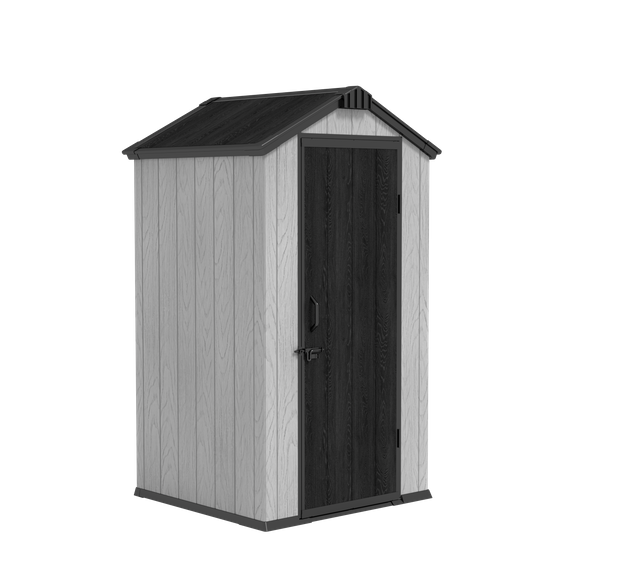
Before picking any Outdoor Storage Cabinet, we need to look at where it will actually sit. The placement affects not only the size but also how useful the cabinet will be in daily life. A good location makes access easy and keeps your outdoor space organized instead of crowded.
Common placement areas include:
Patio or balcony
These spaces are usually limited, so compact cabinets work better.
It is important to keep walking space clear and avoid blocking doors.
A slim, vertical cabinet often fits better in tight layouts.
Garden wall or backyard corner
These areas allow for larger cabinets with more storage capacity.
Positioning against a wall helps save space and improves stability.
It also keeps tools close to where they are used.
Indoor-outdoor transitional areas
Spaces like garages, covered patios, or utility zones need flexible storage.
Cabinets here may store both indoor and outdoor items.
Moisture resistance and accessibility both matter in these zones.
Commercial or utility outdoor spaces
Worksites or facility areas often require larger storage solutions.
Cabinets need to support heavier use and more frequent access.
Organization becomes more important than just size.
| Placement Area | Recommended Cabinet Style | Key Consideration |
|---|---|---|
| Balcony / small patio | Slim, vertical cabinet | Save floor space |
| Garden / backyard | Medium to large cabinet | Maximize storage capacity |
| Transitional space | Flexible multi-use cabinet | Easy access + protection |
| Commercial area | Large, durable cabinet | High usage and organization |
After deciding where to place the cabinet, the next step is measuring your available space. Many people only check width, but that is not enough. A well-sized Outdoor Storage Cabinet should match width, depth, and height together.
Key dimensions to consider:
Width
Determines how much wall or ground space the cabinet occupies
Important for narrow areas like balconies or walkways
Too wide can block movement or access
Depth
Affects how far the cabinet extends outward
Deep cabinets hold more but may feel bulky in small spaces
Shallow cabinets are easier to access but store less
Height
Critical for storing long tools or stacked items
Vertical space is often underused but very valuable
Taller cabinets can reduce the need for extra floor space
Another important factor is door clearance. Even if a cabinet fits perfectly in a space, it may become inconvenient if doors cannot open fully. Always leave enough room in front of the cabinet for easy access.
Choosing the right Outdoor Storage Cabinet is always about balance. We want enough storage capacity, but we also want to keep the outdoor space comfortable and open. Too small feels limiting, while too large feels overwhelming.
There are three common strategies:
Compact cabinets for small areas
Ideal for balconies or tight patios
Focus on vertical storage to save floor space
Best for daily-use items and light storage
Medium to large cabinets for open spaces
Suitable for gardens or backyard setups
Allows storage of multiple item types together
Works well for mixed-use households
Avoid oversized cabinets
Large cabinets may dominate the visual space
They can reduce mobility and make areas feel crowded
Extra capacity often goes unused
A small Outdoor Storage Cabinet works best when storage needs stay simple and focused. It is not about having less space. It is about using space in a smarter way. For many users, especially in urban environments, compact storage solves daily problems without taking over the area.
You will find small cabinets useful in situations like:
Limited storage needs
They handle basic items like gloves, hand tools, and watering supplies.
It keeps frequently used items within easy reach.
It avoids unnecessary empty space inside the cabinet.
Tight outdoor spaces
Balconies, small patios, and narrow corners benefit from compact designs.
A vertical cabinet often works better than a wide one.
It helps maintain open walking space and a clean layout.
Simple organization goals
Ideal for users who want quick access, not bulk storage.
It reduces clutter without overcomplicating storage systems.
It fits well into minimal outdoor setups.
A medium-sized Outdoor Storage Cabinet is often the most practical choice for most households. It offers enough space for different item types while still fitting comfortably into most outdoor areas. It does not feel too large, but it also does not limit what you can store.
This size works well because it supports mixed-use storage, which is common in real life. Most users do not store only one category of items. They combine tools, patio accessories, and occasional-use items in one place.
Here is where medium cabinets perform best:
Balanced storage capacity
Enough room for both small tools and medium-sized items.
Allows better internal organization using shelves or zones.
Reduces the need for multiple storage units.
Everyday outdoor organization
Keeps frequently used and occasional items together.
Makes it easier to maintain a clean outdoor space.
Supports both quick access and moderate storage depth.
Flexible placement
Fits in gardens, patios, or side-yard spaces.
Works well against walls without dominating the area.
Adapts to changing storage needs over time.
A large Outdoor Storage Cabinet is not for everyone, but it becomes essential in certain situations. It is designed for users who need to store more than just basic items. It supports bulk storage, multiple categories, and shared usage.
Large cabinets are suitable when storage needs grow beyond simple organization. They work well in environments where space is available and storage demand is high.
You should consider a larger cabinet if:
You need bulk storage
Storing multiple item categories in one place
Handling large or irregular items like cushions or equipment
Keeping everything organized without stacking too tightly
You share the space
Families or shared outdoor areas require more capacity
Different users may store different types of items
More space reduces conflicts and clutter
You are expanding your storage system
When a medium cabinet is no longer enough
When items keep increasing over time
When combining tool storage and recreational storage
However, larger is not always better. A cabinet that is too big can feel overwhelming in smaller outdoor areas. It may also reduce usable space around it.
When choosing an Outdoor Storage Cabinet, size alone does not tell the full story. What really matters is how the inside space is used. A well-designed layout can make a smaller cabinet feel larger and more efficient. Poor layout, on the other hand, wastes space even in a big cabinet.
A smart internal design usually includes:
Shelves and compartments
They help separate tools, supplies, and accessories.
It becomes easier to find items without moving everything.
Small items stay organized instead of piling up at the bottom.
Adjustable storage
Flexible shelves allow you to adapt the cabinet over time.
You can create space for taller or bulkier items when needed.
This reduces the need to upgrade to a larger cabinet too soon.
Open vs divided space
Open space works better for large or irregular items.
Divided sections are better for small, frequently used tools.
A combination of both gives the best results.
Instead of focusing only on external size, we should think about usable interior volume. Brands like Kenda often design cabinets with practical layouts, helping users maximize storage without increasing overall size.
Layout Efficiency Comparison
| Layout Type | Best For | Space Efficiency Level |
|---|---|---|
| Open interior | Large items, cushions | Medium |
| Fixed shelves | Small tools, supplies | High |
| Adjustable shelves | Mixed-use storage | Very High |
A cabinet with good internal organization can hold more items in less space. That makes layout one of the most important factors when selecting size.
Material plays a key role in deciding the right Outdoor Storage Cabinet size. It may sound unrelated at first, but durability affects how much you can safely store and how long the cabinet performs well outdoors.
Outdoor cabinets must handle:
Weather exposure
Rain, UV rays, and temperature changes can damage weak materials.
A durable cabinet keeps items protected in all seasons.
It reduces the need for extra storage space elsewhere.
Low maintenance needs
Materials should be easy to clean and resistant to wear.
Less maintenance means more reliable long-term use.
It keeps the cabinet looking organized and functional.
Load capacity and structure
Strong materials support heavier items without bending.
Weak structures limit what you can store inside.
This directly affects how much usable space you really have.
Kenda focuses on plastic extrusion materials for outdoor storage, which helps balance durability and low maintenance. This type of construction supports long-term outdoor use while keeping the cabinet lightweight and practical.
Modern Outdoor Storage Cabinet design is no longer limited to storage only. Many cabinets now serve multiple purposes, which changes how we think about size. Instead of choosing a larger cabinet, we can choose a smarter one.
Multi-function features include:
Dual-purpose surfaces
Some cabinets can act as a work surface or prep area.
It adds value without increasing footprint.
Useful in patios, gardens, or utility spaces.
Wall-aligned placement
Cabinets placed along walls save open space.
It creates a cleaner and more organized layout.
It allows better movement around the area.
Lifestyle-based sizing
Storage should match how we use the outdoor space.
A small, well-placed cabinet can be more useful than a large one.
It helps maintain both function and comfort.
Choosing the right Outdoor Storage Cabinet size depends on real needs, not guesswork. Think about what you store and how often you use it. The cabinet should fit the space without blocking movement. A smart layout can make a smaller cabinet more useful. Material also affects durability and maintenance. Multi-function designs add value without taking more space. Kenda offers practical outdoor storage solutions designed for efficient and reliable everyday use.
A: Choose based on items, space, and usage frequency.
A: Check width, depth, height, and door clearance.
A: Yes, if storing basic tools and daily items.
A: It protects items from weather and lasts longer.
A: Yes, if it has flexible layout and enough space.


