
Outdoor Storage
Views: 0 Author: Site Editor Publish Time: 2026-04-14 Origin: Site


Struggling to organize outdoor items in a small space can be frustrating, especially when choosing between an Outdoor Storage Cabinet and a shed.Both options offer storage, but they differ in size, function, and practicality. In this article, you will learn how each option compares and which solution works best for limited outdoor spaces.
An Outdoor Storage Cabinet is designed to organize and protect items used outside. It helps keep spaces clean, functional, and easy to manage. Many homeowners choose it because it fits smaller areas better than large sheds. It works well on patios, balconies, or tight backyard corners where space is limited but storage is still needed.
Here are common ways people use it:
Garden tools and supplies
It stores shovels, gloves, hoses, and fertilizers safely. These items often get exposed to moisture and dirt. A cabinet keeps them dry and easier to access. Over time, this improves tool lifespan and reduces clutter in the yard.
Patio cushions and covers
Outdoor furniture needs protection when not in use. Cushions can absorb moisture quickly. Covers can get dirty or damaged. A cabinet helps maintain cleanliness and prevents unnecessary wear.
Outdoor equipment and seasonal items
Many people store sports gear, holiday decorations, or camping tools. These items are not used daily. A cabinet keeps them organized without taking up indoor space. It also helps avoid damage caused by weather exposure.
Material plays a major role in how well an Outdoor Storage Cabinet performs outdoors. It directly affects durability, maintenance, and long-term usability. When placed outside, the cabinet faces constant environmental stress. These conditions can quickly damage poor-quality materials.
Exposure to rain, UV, and temperature changes
Outdoor cabinets are always exposed to weather. Rain can cause swelling or rust. UV rays can fade surfaces or weaken materials. Temperature shifts may lead to cracking or deformation. The right material reduces these risks and extends product life.
Impact on durability and lifespan
Some materials last longer than others under outdoor conditions. Resin usually resists moisture well. Wood may degrade without proper sealing. Metal can rust if not protected. Choosing the right material helps avoid frequent replacement.
Maintenance requirements over time
Maintenance varies depending on material type. Some cabinets only need occasional cleaning. Others require painting, sealing, or rust treatment. Over time, maintenance effort affects overall cost and convenience.
Before selecting an Outdoor Storage Cabinet, it is important to evaluate practical factors. These factors influence both daily use and long-term satisfaction. A good choice balances performance, appearance, and cost.
Weather resistance
This is one of the most important factors. The cabinet should handle rain, humidity, and sunlight without damage. Materials like resin often perform well in different climates. It reduces the risk of warping, rust, or fading.
Maintenance level
Some users prefer low-effort solutions. Others are okay with regular upkeep. Resin usually requires minimal care. Wood may need sealing or painting. Metal might need rust protection. It depends on how much time you want to spend maintaining it.
Appearance and design fit
The cabinet should match the outdoor environment. Some prefer a modern look. Others want a natural or traditional style. Material affects both color and texture. It also influences how well the cabinet blends into the space.
Budget and long-term cost
Initial price is only part of the decision. Maintenance, repairs, and lifespan also matter. A cheaper cabinet may cost more over time if it needs frequent upkeep. It is better to think about total value rather than just upfront cost.
| Decision Factor | What to Look For | Practical Tip |
|---|---|---|
| Weather Resistance | Protection against rain and UV | Choose materials suited to your climate |
| Maintenance Level | Cleaning vs ongoing treatment | Consider your available time |
| Design Fit | Style, color, texture | Match with patio or garden layout |
| Long-Term Cost | Lifespan + maintenance expenses | Focus on total ownership cost |
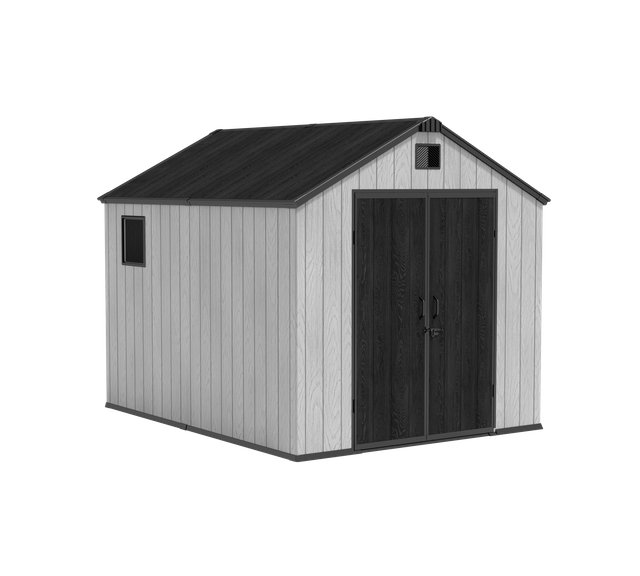
A resin Outdoor Storage Cabinet is made from durable plastic materials such as polypropylene or high-density resin panels. These materials are engineered to handle outdoor conditions while staying lightweight and easy to manage. This type of cabinet is widely used in modern outdoor storage solutions because it offers a balance between durability and convenience.
In practical use, resin cabinets are designed for everyday outdoor environments. Placement often happens in backyards, patios, balconies, or garden corners. Unlike traditional materials, resin does not absorb water easily, which helps maintain structural stability over time. This feature makes resin cabinets suitable for storing items that need protection from moisture and dirt.
Resin cabinets are often selected for their ease of use and long-term practicality. Outdoor conditions can be unpredictable, so choosing a material that performs consistently reduces effort and cost over time. Resin provides a reliable balance between durability and convenience for everyday storage needs.
Low maintenance design eliminates the need for painting, sealing, or surface treatment over time
Smooth surface allows quick cleaning using water or a simple wipe, making upkeep easy
Strong resistance to moisture prevents swelling, warping, or decay in humid environments
UV-resistant properties help maintain color and structural integrity under sunlight exposure
Lightweight construction simplifies installation and relocation when space needs change
Stable performance across different climates supports long-term outdoor use without frequent repairs
Modular panel design improves assembly efficiency, especially for non-professional users
Resin cabinets also have limitations that should be considered before making a final decision. Different environments and user needs may highlight these drawbacks more clearly.
Artificial surface finish lacks the warmth and texture found in natural wood materials
Structural rigidity is lower compared to metal, especially under heavy load conditions
Limited customization options restrict repainting or design modification possibilities
Surface appearance may not suit traditional or decorative garden styles
Perception of plastic as a lighter-duty material may influence purchasing decisions
Heavy equipment storage may require stronger structural support than resin provides
A wood Outdoor Storage Cabinet is built from natural timber or engineered wood panels. It has been used for many years in outdoor storage because of its classic appearance and strong structure. Many homeowners choose wood when they want storage to look like part of the garden instead of just a utility item.
Wood cabinets often appear in landscaped yards, patios, or decorative outdoor areas. They bring a natural texture that blends easily into plants, fences, and outdoor furniture. Compared to plastic or metal, wood feels more traditional and visually warm. However, natural material also reacts more to outdoor conditions, which affects long-term performance.
Wood cabinets stand out because of their appearance and flexibility. For many users, visual appeal matters just as much as function. In small outdoor spaces, design plays a bigger role because storage becomes part of the visible layout.
Natural grain and texture create a warm, premium look in outdoor spaces
This visual effect helps the cabinet blend into gardens instead of standing out. It supports a more cohesive outdoor design.
Surface allows painting, staining, or finishing for customization
Color changes or finishes can match fences, decks, or furniture. This flexibility makes wood suitable for personalized outdoor setups.
Strong structural feel supports stable storage for medium-weight items
Wood panels provide a solid impression, which can feel more durable in everyday use.
Design flexibility supports various shapes and styles for decorative needs
Custom builds or modified designs are easier to achieve compared to plastic materials.
In some cases, manufacturers focus more on functional materials like plastic, such as Kendash. Their approach prioritizes weather resistance and ease of use, while wood remains more design-oriented for users who value appearance first.
Despite its visual appeal, wood requires more attention over time. Outdoor conditions can gradually affect its structure and surface. This makes it less convenient for users who prefer low-maintenance solutions.
Regular maintenance such as sealing, painting, or staining is required
Without proper care, the surface can lose protection. Maintenance becomes an ongoing task rather than a one-time effort.
Exposure to moisture may lead to swelling, warping, or decay
Rain and humidity can damage untreated wood. Long-term exposure increases the risk of structural issues.
Vulnerability to pests such as termites or insects can affect durability
Natural material attracts certain pests, which may reduce lifespan if not managed properly.
Higher long-term cost due to maintenance and potential repairs
Initial cost may seem reasonable, but upkeep adds to total ownership cost over time.
Heavier structure makes installation and movement more difficult
This can be a disadvantage in small spaces where flexibility matters.
Choosing a wood Outdoor Storage Cabinet depends on priorities. It works best when design and appearance are more important than convenience. In small outdoor spaces, visual harmony can sometimes matter more than storage efficiency.
Decorative outdoor spaces benefit from natural materials that match landscaping
A wood cabinet can act as both storage and a design element. It blends into gardens, patios, and outdoor living areas.
Situations where appearance is a top priority over maintenance effort
Some users are willing to spend time maintaining surfaces. In return, they get a more refined outdoor look.
Environments where regular upkeep is manageable and expected
Homeowners who already maintain decks or fences may find wood maintenance easier to handle.
Projects requiring custom design, color matching, or unique shapes
Wood allows more flexibility for customization compared to resin or metal options.
In contrast, users looking for simpler solutions often consider materials like resin. Brands such as Kendash focus on practical outdoor storage, where durability and low maintenance are key priorities for everyday use.
A metal Outdoor Storage Cabinet is typically constructed from steel or aluminum panels. These materials are chosen for their strength and structural rigidity, making them suitable for more demanding storage environments. Compared to other materials, metal offers a more industrial feel and is often associated with durability and security.
In real-world use, metal cabinets are commonly placed in garages, backyards, or utility areas. They are often selected when storage involves heavier tools or equipment. While they can work in small spaces, their weight and structure may limit flexibility compared to lighter materials.
Steel construction provides high load-bearing capacity for heavy items
Aluminum options offer lighter weight while maintaining corrosion resistance
Reinforced panels improve overall stability and structural integrity
Metal cabinets are often chosen for strength and security. For users who need reliable storage for tools or equipment, metal provides a solid and dependable option. In certain environments, this strength becomes a key advantage.
Strong structure supports heavy tools and equipment without deformation
This makes metal cabinets suitable for demanding storage needs. Stability remains consistent even under higher weight loads.
Durable material resists impact and physical damage better than softer materials
Daily use in work areas or garages becomes easier. Surfaces can handle rough handling more effectively.
Secure design allows better protection for valuable tools and equipment
Lockable metal cabinets often provide a stronger sense of security. This is important in shared or open outdoor environments.
Long service life under proper conditions, especially when protective coatings are applied
Coated metal surfaces can perform well over time if maintained correctly.
Compared to materials like resin, which focus on convenience and weather resistance, metal emphasizes strength and protection. Some manufacturers, such as Kendash, prioritize plastic-based solutions for easier outdoor use, especially in residential settings.
Despite its strength, metal has limitations in outdoor environments. Weather exposure can affect performance if proper protection is not applied. These factors should be considered before choosing this material.
Exposure to moisture increases the risk of rust and corrosion over time
Without protective coating or treatment, metal surfaces can deteriorate. This is especially noticeable in humid or coastal areas.
Direct sunlight can cause heat buildup inside the cabinet
Stored items may be affected by high temperatures. This can be a concern for sensitive equipment or materials.
Regular maintenance such as anti-rust treatment or repainting may be required
Maintenance effort increases over time. This reduces convenience compared to low-maintenance materials.
Heavier weight makes installation and repositioning more difficult
Moving the cabinet in small spaces can become challenging. It may require more effort or additional support.
Less flexible design compared to wood or resin limits customization options
Adjustments or modifications are harder to achieve after installation.
Choosing the right Outdoor Storage Cabinet material becomes easier when comparing key factors side by side. Each material performs differently depending on weather, usage, and maintenance expectations. A clear comparison helps avoid costly mistakes and improves long-term satisfaction.
Durability depends on how well the material handles outdoor stress over time
Resin resists moisture and corrosion. Wood may degrade without treatment. Metal offers strength but needs protection against rust.
Maintenance requirements vary significantly between materials
Resin requires minimal care. Wood needs sealing or painting. Metal may need anti-rust treatment and occasional repainting.
Cost vs long-term value should include maintenance and lifespan
Lower upfront cost does not always mean better value. Materials with less upkeep often reduce total ownership cost.
Weather resistance performance affects long-term usability
Outdoor exposure includes rain, UV rays, and temperature changes. Materials react differently under these conditions.
| Factor | Resin Cabinet | Wood Cabinet | Metal Cabinet |
|---|---|---|---|
| Durability | Resistant to moisture and corrosion | Can degrade without maintenance | Strong but may rust |
| Maintenance | Very low | High (sealing, painting) | Medium (anti-rust care) |
| Weather Resistance | Performs well in most climates | Sensitive to moisture | Sensitive to humidity |
| Long-Term Value | High due to low upkeep | Medium to low | Medium depending on maintenance |
Different users have different priorities. The best Outdoor Storage Cabinet material depends on how the cabinet will be used and maintained. Matching material to need leads to better long-term results.
Best for low maintenance: Resin
Resin works well for users who want a simple solution. Cleaning is easy. No sealing or repainting is required. This makes it ideal for everyday household use.
Best for aesthetics: Wood
Wood offers a natural and decorative appearance. It blends into garden environments. This makes it suitable for outdoor spaces where design matters more than convenience.
Best for strength: Metal
Metal provides a rigid structure for heavy tools or equipment. It is often used in utility or work-focused environments. Strength becomes the main advantage in these cases.
Balanced choice for small spaces
In compact areas, resin often performs better. Lightweight design and low maintenance make it easier to manage. This aligns well with manufacturers like Kendash, which focus on practical and weather-resistant storage solutions.
| User Priority | Recommended Material | Reason |
|---|---|---|
| Easy maintenance | Resin | Minimal upkeep and easy cleaning |
| Visual design | Wood | Natural appearance |
| Heavy-duty storage | Metal | Strong and rigid structure |
| Small space use | Resin | Lightweight and flexible placement |
Selecting the right Outdoor Storage Cabinet requires understanding your environment and usage needs. A few practical considerations can guide the decision and prevent future issues.
Climate considerations influence material performance
High humidity increases the risk of wood decay and metal rust. Strong sunlight may affect surface temperature and color. Resin often performs consistently across different climates.
Storage type determines required strength and durability
Light household items do not require heavy-duty materials. Tools and equipment may need stronger structural support. Matching material to load ensures better performance.
Space and design preferences affect usability
Small patios or balconies benefit from lightweight cabinets. Larger spaces may allow heavier or decorative options. Appearance should match the surrounding environment.
Installation and mobility considerations matter in daily use
Some materials are easier to assemble and reposition. In small spaces, flexibility becomes important. Lightweight cabinets are easier to manage over time.
Choosing between an outdoor storage cabinet and a shed depends on your space and daily needs. Small areas usually work better with compact storage solutions. Resin offers easy maintenance, wood brings a natural look but needs care, and metal provides strong support. Kenda offers durable outdoor storage cabinet solutions designed for reliable use in limited spaces.
A: An Outdoor Storage Cabinet stores tools, cushions, and outdoor items in small spaces.
A: An Outdoor Storage Cabinet fits compact spaces better and is easier to manage.
A: Resin is best for low maintenance and weather resistance in most cases.
A: Consider space, climate, and storage type before choosing a material.
A: Maintenance depends on material; resin needs less care than wood or metal.


