Outdoor Storage
Views: 0 Author: Site Editor Publish Time: 2026-04-14 Origin: Site


Struggling to keep a small outdoor space organized? Choosing between an Outdoor Storage Cabinet and a shed can feel confusing. The wrong choice can quickly make your space feel crowded and hard to use.
In this article, you will learn the key differences between an Outdoor Storage Cabinet and a shed. You will also discover how to choose the right option based on your space and lifestyle.
An Outdoor Storage Cabinet focuses on efficient storage in limited outdoor areas. The design usually stands upright, so height becomes the main advantage instead of width. This approach works well in narrow patios, side yards, and compact gardens where every square foot matters.
Daily use drives the design. Quick access replaces complex storage systems. Items stay visible and organized, so time spent searching becomes minimal. Compared to larger structures, this type of storage feels more practical for everyday outdoor routines.
A well-designed Outdoor Storage Cabinet combines protection, structure, and usability. Materials often come from durable plastic systems, which resist rain, UV exposure, and temperature changes. This aligns closely with Kenda’s manufacturing focus on plastic extrusion products for outdoor environments.
Instead of relying on size, the cabinet relies on smart design features. Each element supports space-saving and long-term outdoor performance.
Compact footprint improves placement flexibility
Narrow dimensions allow installation in tight areas. Corners, walls, and narrow walkways become usable storage zones. Outdoor layouts stay open and functional.
Weather-resistant materials protect stored items
Exposure to rain, dust, and sunlight becomes less of a concern. Tools and accessories remain in usable condition longer. Maintenance effort decreases over time.
Internal shelving supports structured organization
Multiple levels separate items by type and frequency. Daily-use items stay at eye level. Less-used items move to upper or lower shelves.
Choosing an Outdoor Storage Cabinet involves balancing convenience and capacity. The design clearly favors efficiency and accessibility, but it also comes with natural limitations when storage needs increase.
Advantages
Compact size fits small outdoor areas without crowding
A cabinet can sit close to a wall or fence. Walkways remain clear, and the space feels organized instead of restricted.
Easy access improves daily usability
Frequently used items remain within reach. No need to step into a structure or move other items. This saves time during routine tasks.
Clean and tidy appearance enhances outdoor layout
Items stay hidden behind doors. Visual clutter decreases, creating a more organized and comfortable outdoor space.
Limitations
Limited storage capacity restricts item size
Large tools or bulky equipment often cannot fit inside. Storage becomes focused on smaller, manageable items.
Not suitable for multi-purpose use
Unlike sheds, cabinets cannot serve as workspace or large storage zones. Function remains focused on organization rather than versatility.
A clear understanding of these trade-offs helps match the cabinet to the right situation, especially when working within small outdoor spaces.
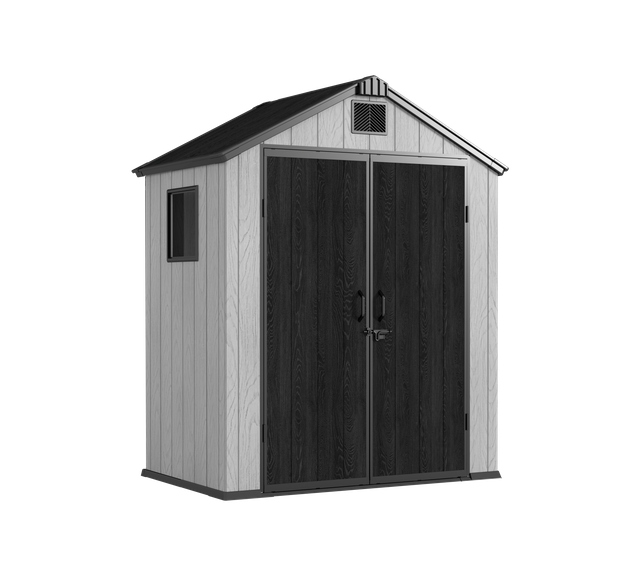
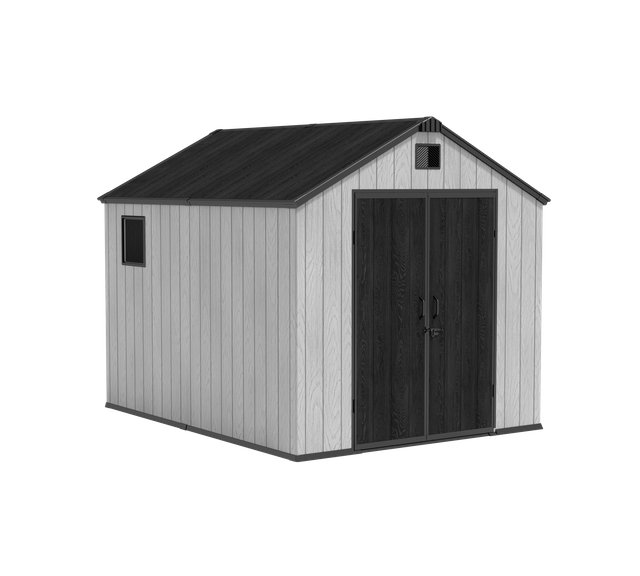
An outdoor shed is built for larger-scale storage needs. The structure stands independently, usually placed in a yard or garden area where enough ground space is available. Unlike an Outdoor Storage Cabinet, a shed allows entry inside, which changes how storage is used and organized.
Storage shifts from simple access to internal space management. Tools, boxes, and equipment can be arranged in zones instead of stacked vertically. This makes sheds more suitable for users who need flexibility rather than just quick access.
Freestanding structure allows placement away from walls or buildings
Installation typically requires a defined area. Positioning depends on layout, sunlight, and accessibility. A dedicated footprint becomes necessary before setup.
Walk-in design supports internal movement
Standing inside the shed allows easier handling of larger items. Organization becomes more flexible, especially for mixed storage needs.
Built for bulk storage and multi-purpose use
Storage expands beyond small tools. Larger equipment, boxes, and seasonal items can all be stored together. This increases overall functionality.
A shed focuses on capacity, flexibility, and adaptability. Instead of optimizing for minimal space, the design prioritizes how much can be stored and how easily items can be arranged inside. This makes sheds a strong solution when storage needs grow beyond what an Outdoor Storage Cabinet can handle.
Larger internal storage capacity supports bulk items
Storage includes both small tools and large equipment. Items no longer need to be limited by size or shape. This allows more complete storage solutions.
Multiple size and structure options improve flexibility
Shed sizes vary widely, from compact units to large outdoor structures. Roof styles such as apex or pent designs affect headroom and placement.
Suitable for mixed storage types
Small tools, furniture, and seasonal items can all be stored together. Organization becomes more dynamic compared to cabinet-style storage.
A shed becomes valuable when storage needs go beyond daily tools. The larger space allows users to group different categories of items together. This makes it easier to manage seasonal changes and long-term storage.
Lawn equipment and large tools
Equipment such as lawn mowers, ladders, and power tools fit comfortably. Storage no longer depends on size limitations.
Seasonal storage needs
Holiday decorations, outdoor furniture, and unused items can be stored safely. This frees up space inside the home.
Multi-purpose outdoor use
Some users convert sheds into small workspaces or hobby areas. The walk-in design supports this flexibility.
A shed offers clear advantages, but those benefits come with trade-offs, especially in small outdoor areas. Understanding both sides helps avoid choosing a solution that overwhelms the space.
Advantages
High storage capacity supports diverse needs
A single shed can replace multiple smaller storage units. This reduces fragmentation and centralizes storage.
Flexible usage allows multiple functions
Storage, workspace, and organization can exist in one structure. This adds long-term value beyond simple storage.
Better handling of large or irregular items
Items do not need to be adjusted to fit shelves. The open interior allows more natural storage placement.
Limitations
Requires more ground space and planning
Installation often needs a flat base and enough clearance. Placement becomes more complex in tight areas.
Visual impact can affect small outdoor layouts
A larger structure may make the space feel crowded. Careful positioning becomes necessary to maintain balance.
Less efficient for quick daily access
Entering a shed takes more time compared to opening a cabinet. Frequent-use items may feel less convenient to reach.
Space becomes the first limitation in small outdoor areas. Every inch matters, especially in patios, balconies, or narrow gardens. Choosing between an Outdoor Storage Cabinet and a shed often starts from how much ground space each option consumes.
An Outdoor Storage Cabinet focuses on vertical efficiency. Height replaces width, so floor space remains open. This allows placement along walls, fences, or corners without interrupting movement. In contrast, a shed needs a defined ground area, which reduces usable outdoor space.
Outdoor Storage Cabinet uses a narrow footprint
Placement fits tight zones such as side yards or patio edges. Movement paths remain clear. Outdoor layout stays functional and uncluttered.
Shed occupies a larger base area
Installation requires enough width and depth. Small spaces may feel crowded once a shed is added. Planning becomes more critical.
Storage needs vary depending on item type and frequency of use. An Outdoor Storage Cabinet focuses on organization, while a shed focuses on volume. This difference becomes clear when comparing how items are stored and accessed.
Cabinets work best for structured storage. Shelves divide items into categories, making it easier to locate tools quickly. Sheds, on the other hand, provide open space, which allows more flexibility but requires more effort to organize.
Outdoor Storage Cabinet supports organized storage
Shelves separate tools, supplies, and accessories. Smaller items stay easy to find. Daily-use items remain at accessible levels.
Shed supports bulk and mixed storage
Large items and irregular shapes fit without adjustment. Storage zones can be created inside. Organization depends more on user setup.
Storage behavior differs based on usage
Cabinets encourage routine access and neat arrangement. Sheds allow accumulation of items over time. This changes how storage is managed.
Ease of use plays a major role in daily outdoor routines. An Outdoor Storage Cabinet is designed for quick access, while a shed requires more interaction before reaching stored items. This affects how often the storage is used and how convenient it feels.
Cabinets allow immediate access. Open the door, reach the item, and close it again. This works well for tools used frequently. A shed requires entering the space, sometimes moving items around, and then exiting.
Outdoor Storage Cabinet supports fast access
Items remain visible and within reach. Daily tasks become smoother and more efficient. No need to reorganize before use.
Shed involves more steps to access items
Entry, navigation, and retrieval take more time. Frequently used items may need dedicated placement inside.
Convenience depends on usage frequency
High-frequency use favors cabinets. Occasional access works better for sheds. Storage style should match usage habits.
| Access Factor | Outdoor Storage Cabinet | Shed |
|---|---|---|
| Access speed | Immediate | Slower |
| Ease of use | Simple open-and-reach | Requires entry and movement |
| Daily usability | High | Moderate |
| Best for | Frequent access items | Occasional storage |
This difference becomes noticeable over time. Frequent use highlights the efficiency of cabinet-style storage.
Installation requirements often determine whether a storage option is practical. An Outdoor Storage Cabinet offers simple placement, while a shed requires more preparation and planning.
Cabinets usually arrive ready for straightforward setup. Placement can happen directly on flat ground, near walls, or in unused corners. Sheds, however, often require a stable base, such as concrete or paving, to ensure durability and stability.
Outdoor Storage Cabinet allows flexible placement
Installation works in tight areas without major preparation. Positioning can adapt to existing layouts. Setup time remains minimal.
Shed requires structured installation planning
A solid base improves stability and lifespan. Space must be measured carefully before installation. Position affects drainage and access.
Planning complexity differs significantly
Cabinets fit into existing spaces easily. Sheds often require redesigning part of the outdoor area. This adds time and effort.
| Installation Factor | Outdoor Storage Cabinet | Shed |
|---|---|---|
| Setup complexity | Low | Medium to high |
| Base requirement | Minimal | Often required |
| Placement flexibility | High | Limited |
| Time to install | Quick | Longer |
Before choosing between an Outdoor Storage Cabinet and a shed, the first step involves understanding the actual space available. Small outdoor areas often feel larger than they are, so accurate measurement becomes essential. A few extra inches can completely change what fits comfortably.
Start by measuring all three dimensions. Width and depth define the footprint, while height determines vertical potential. In many cases, vertical space is underused, which makes an Outdoor Storage Cabinet a strong option.
Measure width, depth, and height carefully
Accurate dimensions prevent installation issues later. Tight spaces require precision. Even small miscalculations can affect usability and placement.
Consider walkways and movement areas
Storage should not block access paths. Walking space must remain clear for daily use. A crowded layout reduces comfort and functionality.
Check surrounding structures and obstacles
Walls, fences, and doors affect placement. Clearance for opening cabinet doors or shed entry is important. Limited access can reduce usability over time.
After measuring space, the next step focuses on what needs to be stored. Storage decisions should match actual usage patterns, not just available space. Different items require different types of storage structures.
Small tools, accessories, and daily-use items usually fit better inside an Outdoor Storage Cabinet. Larger equipment or seasonal items may require a shed. The goal is to match storage type to item size and frequency of use.
Daily-use vs long-term storage
Frequently used tools should remain easy to access. Long-term items can stay in less accessible areas. Storage type should reflect usage frequency.
Size and shape of stored items
Small and medium items fit well on shelves. Bulky equipment requires open space. Storage structure must accommodate item dimensions.
Quantity of items to store
Limited items work well in cabinets. Larger collections need more volume. Storage capacity becomes a key factor.
| Storage Need | Outdoor Storage Cabinet | Shed |
|---|---|---|
| Item size | Small to medium | Medium to large |
| Usage frequency | Frequent use | Occasional use |
| Storage volume | Limited | High |
| Organization style | Structured | Flexible |
Lifestyle plays a major role in choosing the right solution. Storage should support daily habits, not complicate them. An Outdoor Storage Cabinet works best when convenience matters, while a shed suits users who prioritize capacity.
Daily routines often involve quick access. Gardening, cleaning, or small repairs require tools within reach. In these cases, a cabinet provides a smoother experience. Opening a door and grabbing an item takes seconds.
Cabinet supports frequent access and routine tasks
Tools remain easy to reach during daily use. Time spent searching or reorganizing stays minimal. This improves efficiency for regular activities.
Shed supports bulk storage and occasional use
Large items stay stored safely for longer periods. Access happens less often, so convenience becomes less critical.
Lifestyle influences storage efficiency
Active outdoor use favors cabinet solutions. Seasonal or infrequent use favors sheds. Storage should match how often items are needed.
Choosing between an Outdoor Storage Cabinet and a shed depends on space and use. Cabinets save space and allow quick access, while sheds offer larger capacity. Kenda provides durable outdoor storage solutions designed for weather resistance, efficient organization, and practical use in small outdoor areas.
A: An Outdoor Storage Cabinet stores tools and small outdoor items for easy daily access.
A: An Outdoor Storage Cabinet saves space, while sheds provide larger storage capacity.
A: An Outdoor Storage Cabinet works better in tight areas due to its compact design.
A: An Outdoor Storage Cabinet suits small to medium items, not large equipment.
A: An Outdoor Storage Cabinet usually requires simple setup without complex preparation.