
Outdoor Storage
Views: 0 Author: Site Editor Publish Time: 2026-10-26 Origin: Site


Standard chain-link fencing provides excellent boundary definition but lacks inherent privacy and security. Property owners constantly face exposed yards, reactive pets, and unsightly adjacent properties. You need a reliable way to block sightlines. Retrofitting an existing fence presents a distinct dilemma. You must choose between rigid inserts and flexible wraps. This decision requires balancing immediate budget constraints against long-term durability. You must also consider aesthetic standards, physical security, and serious structural risks like wind load.
Evaluating privacy slats vs screen fabric requires an objective look at your site conditions. The right choice depends entirely on specific opacity requirements. Local climate realities dictate material survival. Installation capacity matters greatly. You must also determine if the project is a retrofit or a completely new build. We will examine the technical specifications of both options to help you finalize your property upgrade.
Opacity Realities: Chain-link privacy slats offer consistent 75–95% blockage depending on the design (standard vs. winged), while privacy screen fabric provides up to 90% blockage but is highly susceptible to angle-based visibility.
Durability vs. Cost: Slats require a higher upfront investment and labor-intensive installation but offer a permanent, weather-resistant, and slash-proof solution. Screens are highly cost-effective and fast to install but require replacement every 3–5 years due to UV degradation, wind tearing, and physical damage.
Structural Risks: Both solutions significantly increase the wind load on a chain-link fence. Assessing post depth and structural integrity is a mandatory prerequisite before installation.
Compatibility: Material selection is dictated by the fence's existing specifications; slat compatibility relies strictly on the chain-link "diamond" mesh size and wire gauge.
Table of Contents

Manufacturers calculate privacy percentages using a strict mathematical ratio. They measure the solid material area against the total open space. A 90% rating means 10% of the surface remains open. This calculation does not translate perfectly to human perception. Direct line-of-sight blockage differs drastically from silhouette visibility. Sunlight positioning changes how you see through the barrier. Backlighting at night exposes movement behind porous materials.
True opacity requires dense, overlapping physical barriers. Perceived privacy relies heavily on lighting conditions and viewing angles. You must test materials in your specific environment. A screen that looks solid at noon might become completely transparent when a security light turns on behind it at midnight. Rigid inserts maintain their opacity rating regardless of the lighting conditions because the plastic physically blocks the light path.
Material Type | Direct Line-of-Sight Blockage | Backlit Nighttime Visibility | Angle Visibility |
|---|---|---|---|
Standard Slats | 75% | Low (Solid plastic blocks light) | Moderate (Gaps visible) |
Winged Slats | 95% | Very Low | Very Low |
Knitted Screen (90%) | 90% | High (Silhouettes visible) | High (Tunnel effect) |
Calming reactive dogs drives many privacy upgrade projects. Dogs react to visual triggers outside their territory. Blocking these sightlines reduces barking and fence-running. Rigid slats provide a distinct physical advantage here. They add a layer of deterrence against climbing. Dogs cannot easily push through solid plastic. When a sixty-pound dog jumps against a slatted fence, the steel wire absorbs the impact.
Fabric screens remain highly vulnerable at the ground level. Jumping dogs easily stretch the zip ties and tear the flexible mesh. Vandals can slash fabric wraps in seconds with a pocket knife. Slats integrate directly into the steel mesh. This creates a unified, impact-resistant barrier. You cannot cut through high-density polyethylene without heavy tools and significant effort.
Adding privacy materials changes the physics of your fence. You are turning a porous chain-link structure into a solid sail. Wind passes through bare mesh easily. Solid barriers catch the wind, transferring massive force to the posts. A standard fifty-foot stretch of six-foot fencing equals three hundred square feet of surface area. Blocking ninety percent of that area creates a massive wind catch.
You must evaluate existing terminal and line posts before installation. Measure the post diameter. Check the concrete footing depth. Standard residential fences often use shallow footings or thin-walled steel pipes. These cannot handle increased wind resistance. High winds will bend weak posts at the ground line or uproot them entirely. Structural integrity always dictates your privacy options. If your posts move when you push them, you cannot safely install solid privacy materials.
Property upgrades require long-term financial planning. You must compare a one-time slat installation against multiple screen fabric replacements. Slats demand a higher initial material investment. They also require significant labor hours to install. However, they easily last fifteen to twenty years without degrading.
Screen fabric offers a very low entry price. Installation takes only a few hours. Yet, you will replace fabric every three to five years. UV rays degrade the material. Wind tears the grommets. Over a decade, replacing screens repeatedly costs more in materials and labor. You also have to factor in the time spent cutting down old zip ties and disposing of yards of torn fabric. Permanent inserts eliminate this recurring maintenance cycle.
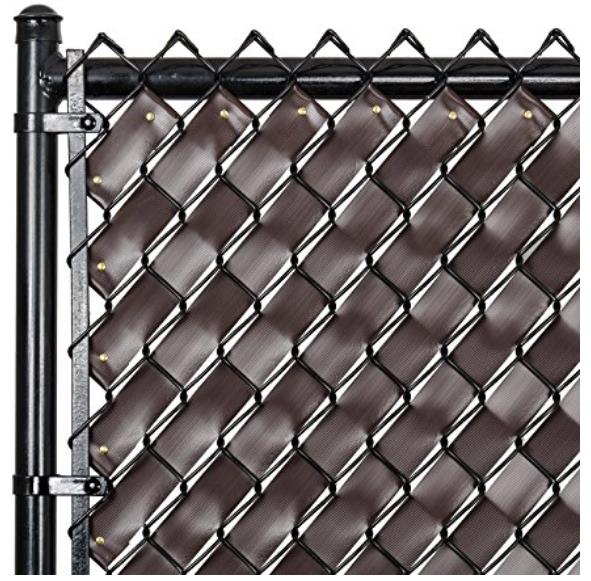
Standard tubular slats represent the baseline option. They slide vertically into the mesh. These provide approximately 75% privacy. You will still see visual gaps between the plastic and the wire. Winged or fin slats offer a premium upgrade. They feature flexible serrated edges along the sides. These wings close the gaps in the chain-link diamonds. They achieve 90 to 95% privacy.
Hedge slats mimic faux foliage. Property owners use them for highly specific aesthetic use cases, though they tend to trap debris. Factory-inserted slats come pre-woven into the chain-link rolls. This remains the superior, labor-saving option for new fence installations. Retrofitting an existing fence requires manual insertion of Chain-Link Privacy Slats.
Standard Tubular: Hollow core, rigid, leaves small gaps at the diamond intersections.
Winged/Fin: Serrated edges expand to grip the wire, offering maximum visual blockage.
Hedge: Wire core with PVC needles, mimics natural landscaping.
Factory-Inserted: Pre-woven rolls, eliminates manual insertion labor entirely.
Manufacturers extrude premium slats from High-Density Polyethylene (HDPE). This industrial-grade plastic withstands severe environmental stress. It resists impacts, moisture, and chemical exposure. Raw plastic degrades quickly under direct sunlight. Factories blend heavy-duty UV inhibitors directly into the HDPE mixture during the extrusion process.
These additives prevent brittleness over time. They stop the color from fading after years of sun exposure. They keep the plastic from cracking in sub-zero temperatures. High-quality HDPE maintains its structural flexibility year-round. This durability makes slats a permanent fixture on the property. You do not have to worry about the material rotting, rusting, or breaking down under normal weather conditions.
Installing slats requires tedious, repetitive labor. You must slide individual pieces top-down into the mesh. A standard fifty-foot fence requires inserting hundreds of individual strips. Friction slows the process down. You have to weave them carefully to avoid bending the plastic. If the chain-link mesh is bent or damaged, insertion becomes highly difficult.
Securing them properly is non-negotiable. You must use bottom locking channels or top-locking mechanisms. These tracks hold the pieces in place. Without locks, slats slip downward. They rattle loudly in the wind. Vandals or curious children can easily pull unsecured pieces out of the fence. The installation sequence generally follows these steps:
Measure the exact height of the chain-link fabric.
Thread the bottom locking channel horizontally through the first full diamond at the base.
Slide the first slat vertically down through the mesh.
Push the slat firmly until it clicks into the bottom locking channel.
Repeat the process, ensuring each piece sits level with the adjacent slat.
Privacy screens utilize several different base materials. Knitted HDPE mesh remains the most common. It resists tearing and breathes well in the wind. PVC-coated polyester offers higher density and a smoother finish, often used in high-end commercial applications. Traditional canvas sees rare use today due to mold susceptibility and heavy water retention.
Manufacturing quality dictates the lifespan of the screen. Reinforced hems are absolutely critical. Factories fold the edges over and stitch them heavily with UV-resistant thread. They punch brass or stainless steel grommets through these reinforced edges. Weak hems lead directly to grommet tear-outs during the first major storm. If the grommet pulls through the fabric, the entire screen will begin to sag and whip in the wind.
Fabric screens suffer from a distinct visual flaw. A "90% fabric" rating sounds impressive on paper. However, it allows high visibility when viewed from an angle. The woven texture creates tiny tunnels for light. Looking straight on provides decent blockage. Walking past the fence changes the geometry. You can see right through the mesh.
Backlighting exacerbates this issue. Nighttime interior lights expose everything in the yard. Mesh porosity affects daytime and nighttime privacy differently. You cannot achieve total blackout conditions using standard knitted screens. If you stand close to the fabric, you can easily see the outline of objects and people on the other side. This makes it less ideal for high-security residential applications.
Screen installation moves incredibly fast. You unroll the fabric along the fence line. You secure it using industrial zip ties or steel hog rings. A small crew can wrap hundreds of feet in hours. You start at one top corner, secure the grommet, and pull the fabric taut along the top rail before securing the bottom.
This speed comes with inherent vulnerabilities. Improper tensioning causes severe sagging. Loose fabric whips violently in the wind, creating a loud snapping noise. High winds target the grommets directly. If the ties hold, the fabric tears. Animal damage occurs frequently at the base where weed whackers and lawnmowers also pose a threat. UV fading degrades the material integrity over a standard three to five year lifespan, turning black mesh into a dull, brittle gray.
Feature | Privacy Slats | Screen Fabric |
|---|---|---|
Opacity Range | 75% - 95% (Consistent) | Up to 90% (Angle dependent) |
Expected Lifespan | 15 - 20+ years | 3 - 5 years |
Installation Speed | Labor-intensive (Days) | Rapid deployment (Hours) |
Maintenance | Easy pressure washing | Difficult to clean |
Pet Resistance | Excellent | Poor |
Slats provide an architectural, structured look. They blend seamlessly into the steel framework. The vertical lines look intentional and permanent. Screens often carry a temporary, construction-site appearance. The fabric wrinkles, sags, and fades over time, making the property look unkempt.
Homeowner Associations heavily regulate fence modifications. Many HOAs strictly ban fabric wraps in residential neighborhoods. They view them as eyesores suited only for commercial job sites. HOAs generally approve permanent slats. The rigid plastic meets neighborhood aesthetic standards and maintains a uniform appearance. Always check your local bylaws and submit material samples before purchasing anything.
Outdoor structures accumulate dirt, algae, and bird droppings. Rigid slats clean up effortlessly. You can use a standard pressure washer on a low-PSI setting. The smooth plastic sheds grime instantly. You just walk along the fence line and spray it down once a year.
Porous mesh screens trap debris. Dirt embeds deeply into the knitted fibers. Algae grows inside the weave in damp climates. Cleaning fabric requires delicate scrubbing with a soft brush and mild detergent. High-pressure water will shred the material and destroy the hems. You often have to remove the screen entirely to clean it properly, which means cutting all the zip ties and buying new ones.
Modern fence contractors strongly prefer quoting canvas or screen fabric. The installation takes minutes rather than days. This yields a higher immediate profit margin. It eliminates tedious manual labor for their crews. Property owners must specifically advocate for slats. Contractors will rarely suggest them for retrofits because of the labor burden.
If you want a permanent solution, you must demand it during the quoting process. DIY installation flips this dynamic. Homeowners can install slats gradually over a few weekends without needing specialized tools. Hanging a fifty-foot screen perfectly straight requires at least two people pulling tension simultaneously to avoid wrinkles.
Material costs differ significantly between the two options. Slats sit in a higher cost bracket per linear foot. You are paying for dense, extruded plastic manufactured to exact tolerances. Screen fabric occupies a much lower cost bracket. You are buying lightweight woven rolls produced in massive bulk.
Labor time completely alters the equation. Contractors charge heavy labor fees to insert slats. They charge minimal labor to hang screens. If you hire a professional, slats cost substantially more upfront. If you install them yourself, you only absorb the material premium. Over a fifteen-year period, the DIY slat installation proves highly economical because you never buy replacement materials.
Massive commercial perimeters require scalable solutions. Wrapping a mile of fencing in rigid plastic takes weeks and requires a massive labor budget. Commercial lots rely on screen fabric for rapid deployment. It fits tight budgets and secures the perimeter instantly. Construction sites use it to block dust and debris.
Residential backyards present a different scenario. Homeowners prioritize longevity, security, and aesthetics. A hundred-foot backyard fence justifies the extra time and expense of slats. The permanent nature of the upgrade adds value to the home. Scale dictates the most logical material choice. High-volume footage favors fabric. Low-volume, high-visibility footage favors rigid inserts.
Choosing the right privacy upgrade depends entirely on your specific site conditions. Privacy screen fabric works best for renters, temporary construction sites, massive commercial perimeters, or strict budgets. Chain-link privacy slats remain the superior choice for permanent residences, high-wind areas, pet owners, and maximum aesthetic value. Evaluate your structural integrity before making a final purchase.
If you need immediate, budget-friendly coverage, choose privacy screen fabric.
If you have reactive dogs that jump and scratch, choose rigid privacy slats.
If you live in a strict HOA neighborhood, choose winged privacy slats.
If you are securing a temporary job site, choose zip-tied screen mesh.
Take the following steps to begin your project:
Measure your fence's total linear footage to determine material quantities.
Verify your exact mesh diamond size and wire gauge using a standard tape measure.
Inspect your post footings for rust, leaning, or shallow concrete depth.
Order physical samples of both materials to test opacity in your specific yard lighting.
A: No. You must match the slat width to the specific diamond size of your fence. Common sizes range from 1.75 to 2.375 inches. You also need to verify the wire gauge. Incompatible sizes cause bowing, rattling, or complete installation failure.
A: Rigid slats are vastly superior for dogs. Dogs easily scratch, tear, or chew through flexible screen fabric at the ground level. Slats integrate directly into the steel mesh, providing a solid, impact-resistant barrier that blocks visual triggers effectively.
A: Privacy screen fabric typically lasts 3 to 5 years. Direct sunlight causes UV degradation, making the material brittle. High winds eventually tear the brass grommets out of the reinforced hems. Extreme weather accelerates this deterioration process significantly.
A: It is highly possible. Both materials turn a porous fence into a solid sail, drastically increasing wind load. If your fence posts lack deep concrete footings or use thin-walled steel, high winds can easily bend the posts or uproot the entire structure.
A: Screen fabric is significantly cheaper upfront in both material and labor costs. However, because screens require replacement every few years, rigid slats often prove more cost-effective over a long-term period due to their permanent, weather-resistant nature.
A: You can clean them easily using a standard garden hose or a low-PSI pressure washer. The smooth plastic surface sheds dirt, bird droppings, and algae quickly. Avoid using high-heat industrial washers, as they can warp the plastic.
A: No chain-link add-on provides 100% blackout. Winged slats offer the highest opacity available, capping at roughly 95% blockage. The physical nature of the steel wire intersections always leaves microscopic gaps where light and silhouettes can penetrate.


